
Order in the next HOURS MINUTES  for NEXT DAY delivery  on • FREE NEXT/NOMINATED-DAY ON ORDERS £250+ (SELECT AT CHECKOUT) • FREE STANDARD DELIVERY ON £99+

Inside Knowledge: How is oak used in winemaking?


Majestic

How is oak used in winemaking?


Winemakers have used oak barrels since Roman times. Ageing in these vessels brings many benefits, from adding flavour to softening tannins.

Why is oak used?

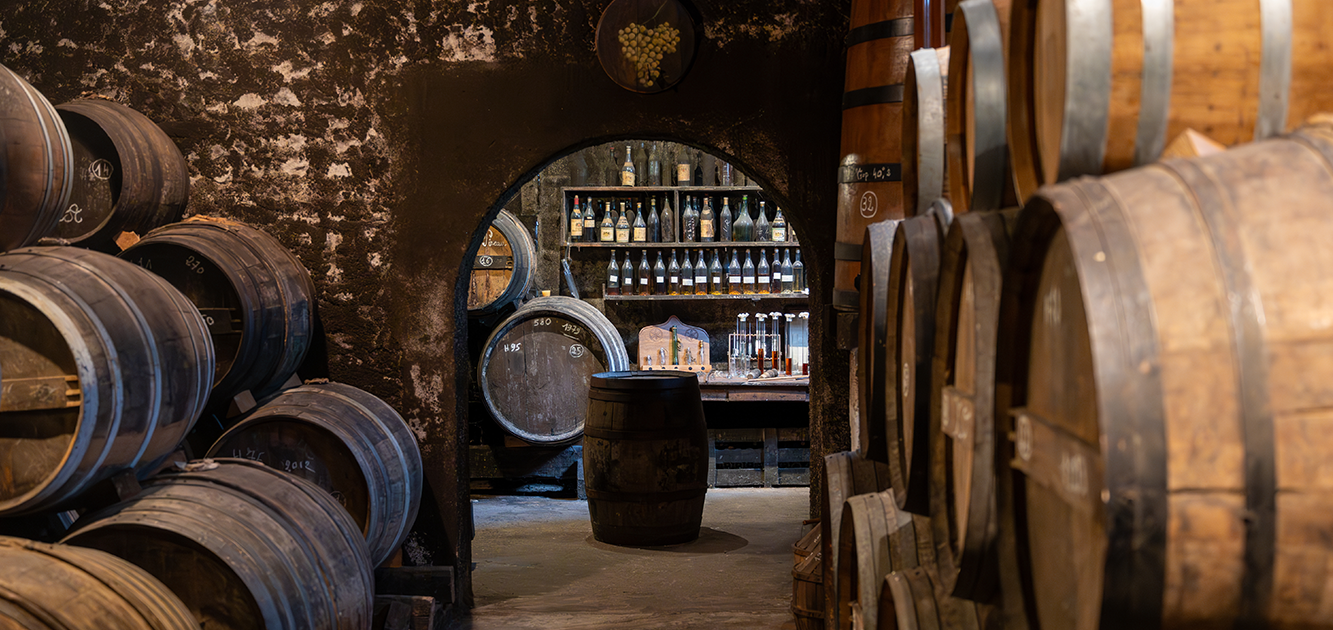
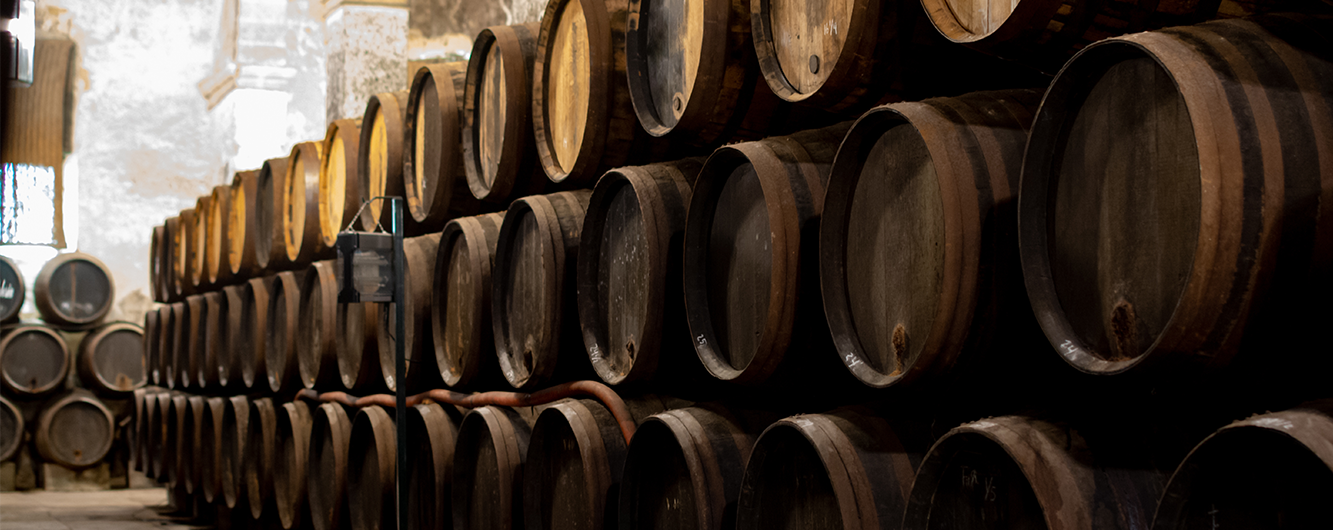
Oak barrels have been the vessel of choice for storing and ageing wine for centuries. When the Romans pushed into Europe, they discovered that the Gauls used oak barrels instead of the clay amphorae the Romans had traditionally used to transport wine. Not only were oak barrels lighter and easier to handle, but they turned out to be better for the wine itself.

Over time, winemakers noticed something remarkable: wine aged in oak developed deeper flavour, softer texture, and greater complexity. That discovery changed the course of winemaking. Today, oak ageing is a defining feature in the character of many of the world’s most iconic wines.


How does oak ageing affect wine?

Oak can truly transform a wine, adding flavours and aromas, and changing the texture of the wine over time. Wine absorbs flavour compounds from the wood itself and from the toasting (charring) process used in barrel-making. These compounds add notes such as vanilla, spice, toast, and some - all of which add to the complexity of a wine.

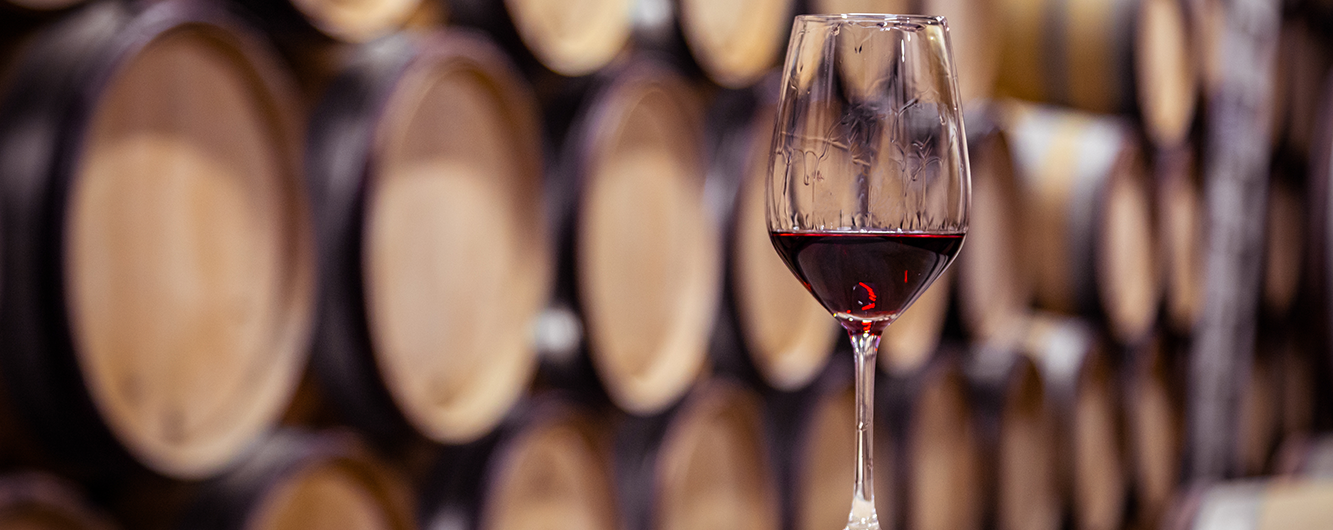
Oak barrels are a perfect vessel for ageing wines as they are waterproof, but not oxygen-proof. Thanks to their tight grain, they allow the very gentle transfer of oxygen into the wine, letting it mature at the perfect rate, softening tannins and smoothing the texture.

Over time, the natural wood tannins also integrate into the wine, improving its structure to give it more longevity.


Majestic

What choices do the winemakers have?

Winemakers have many options when it comes to oak ageing. Everything from barrel size to wood origin to toast level can be tailored to achieve specific stylistic goals.

Toasting levels: Lightly toasted barrels impart more delicate wood and tannin notes, while heavier charring brings out stronger flavours like smoke, caramel, vanilla, and spice.

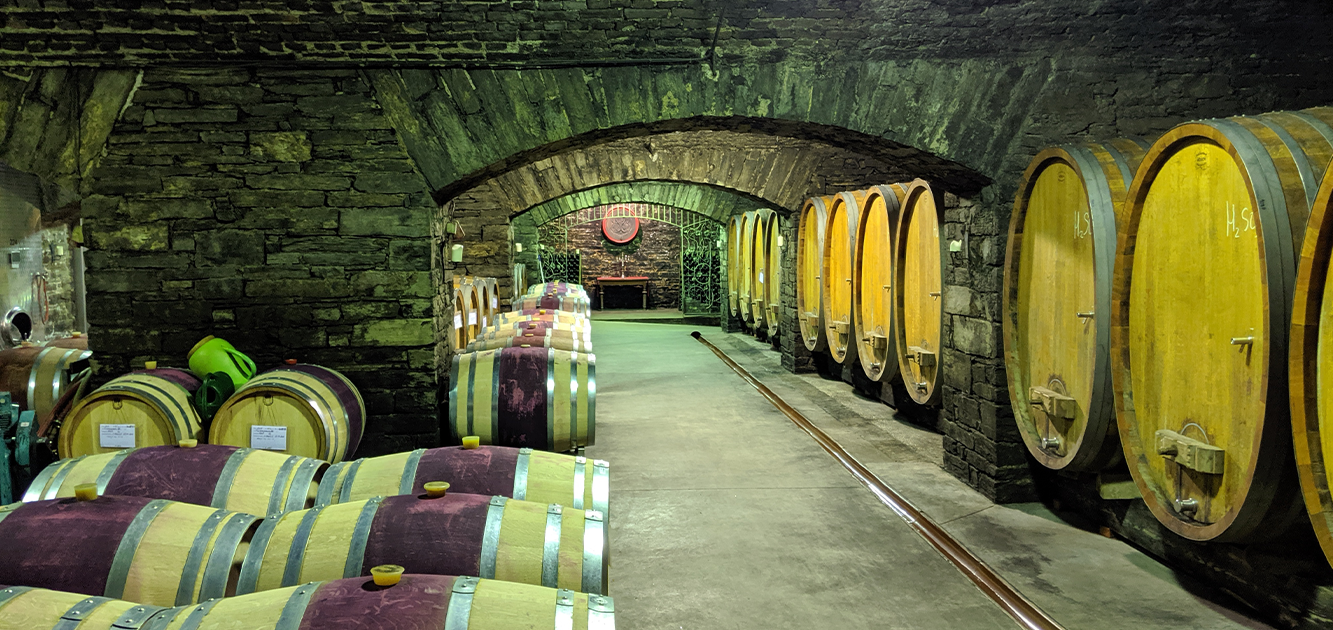
Barrel size: Smaller barrels (like the 225-litre barriques) have a greater surface area of wood in contact with the wine, resulting in more flavour extraction. Larger barrels are gentler on the wine, often used to add texture without overwhelming flavour.

New vs. old oak: New oak barrels impart more intense flavours, while older barrels contribute more to texture. Over time, even the most robust oak barrels lose their potency and need to be replaced or repurposed - some even find second life in brewing or spirits.

Winemakers may age wine in oak for just a few months or several years, depending on the grape variety, the vintage, and the desired outcome. Some wine regions even specify time in oak as a legal requirement, like Rioja.


Majestic

What flavours come from oak barrels?

As well as the smoke, spice and vanilla notes that come from toasting the barrels, certain types of oak are chosen for their flavours to suit different types of wine.

French oak is famous for its subtle spice, nuttiness, and coffee flavours. It was classically used with Pinot Noir and Chardonnay. It's often used for small barrels and is known for giving elegant, silky textures.

American oak is known for adding vanilla, coconut, and sweet-spice flavours. It can be more intense in flavour and is often used with bolder wines, like Rioja and Zinfandel.

Slovenian oak is commonly used by Italian winemakers. Larger-format oak barrels are preferred to add texture, rather than strong flavours.

Not all grape varieties suit the influence of oak barrels, so the winemaker will decide if the wine needs the added flavours – and expense – of oak. There are a number of different styles of oaked wine.


Majestic


The best way to learn more about the differences is to explore a variety of wines - here are a few to get you started!


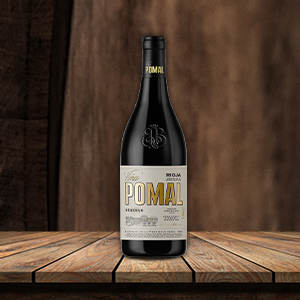
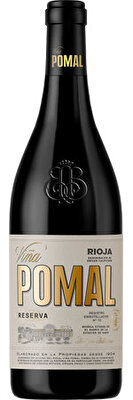
Viña Pomal Rioja Reserva

Viña Pomal began in Haro, Rioja, in 1904. In its rich history, it's built a long list of admirers, and it was reportedly the choice bodega of Winston Churchill. Today, it continues with its innovative ways, and this Reserva wows the critics seemingly with every vintage. Aged in American oak, expect red fruit flavours and toasty sweet oak.

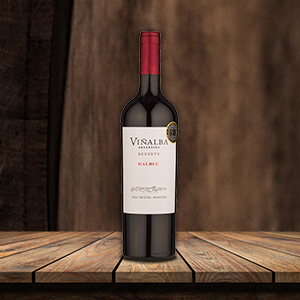
Viñalba 'Reserve' Malbec, Mendoza

When Hervé J Fabre first came to the Uco Valley in the early nineties, Malbec was still a blending grape. But he found vineyards where the grape flourished and became the first person to make single-variety Malbec in Argentina. And the plush style of this Reserve has earned Mendoza its stellar reputation. This is rich and chocolatey with plenty of ripe black fruits and hints of vanilla.


Majestic

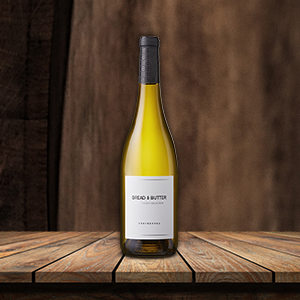
Bread & Butter 'Winemaker's Selection' Chardonnay, California

This really does what it says on the tin. It’s a lush Chardonnay which tastes of – you guessed it – bread and butter. The winemaking team combines grapes from two very different regions to create something full but fresh. It’s silky smooth with fresh notes of citrus and vanilla.

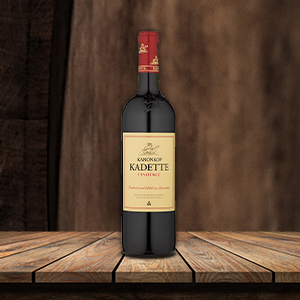
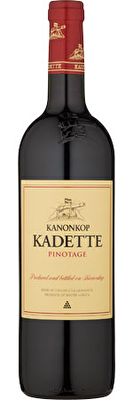
Kanonkop 'Kadette' Pinotage, Stellenbosch

Kanonkop is a family-owned estate, considered to many as the equivalent of a South African First Growth. And when you taste what they've done with the country's star grape, Pinotage, you'll know why. Made in a soft, fruit-forward style, it spends 12 months in French oak barrels to give a silky-smooth texture. This is a complex Pinotage wine, with notes of raspberry, strawberry, red cherry and chocolate.

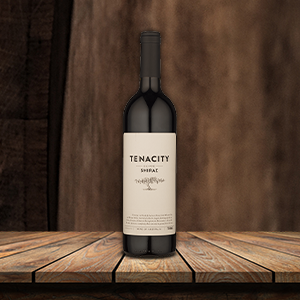
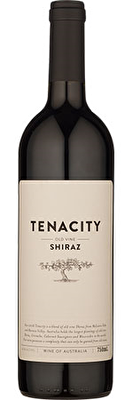
Two Hands 'Tenacity' Old Vine Shiraz, Australia

Australia has some of the oldest vines in the world. Tenacity shows how the lower yields from old vines intensify all the flavours. If you like a full-throttle Australian Shiraz, you're in for a treat. This is full of ripe black-fruit flavours. Discover a juicy, velvety texture, with notes of chocolate and spice.


BROWSE OUR RANGE