Why not add?


Cart

Dessert wine and Port are two sweet forms of wine – but here’s the difference. Dessert wine is made as you would a normal wine, but usually from late harvest grapes (this means their sugars are concentrated), frozen grapes (Ice Wine) or those affected by a fungus called Noble Rot (or Botrytis cinerea). Some famous examples of this are Sauternes and Tokaji. Alternatively, fermentation can simply be stopped earlier during the winemaking process, before the yeast has eaten all the sugar, leaving you with more sugar in the wine and less alcohol.
Port, on the other hand, is a fortified wine, made in the Douro Valley of Portugal. It can be made from over 100 grape varieties. After the usual fermentation process – but before all the sugar has turned to alcohol – a grape-based spirit is added, stopping the fermentation and creating a sweet, fortified dessert wine with an alcohol level around 20% ABV. Port can be made in a variety of styles, from Ruby and Tawny to Late Bottled Vintage (LBV) and even white.
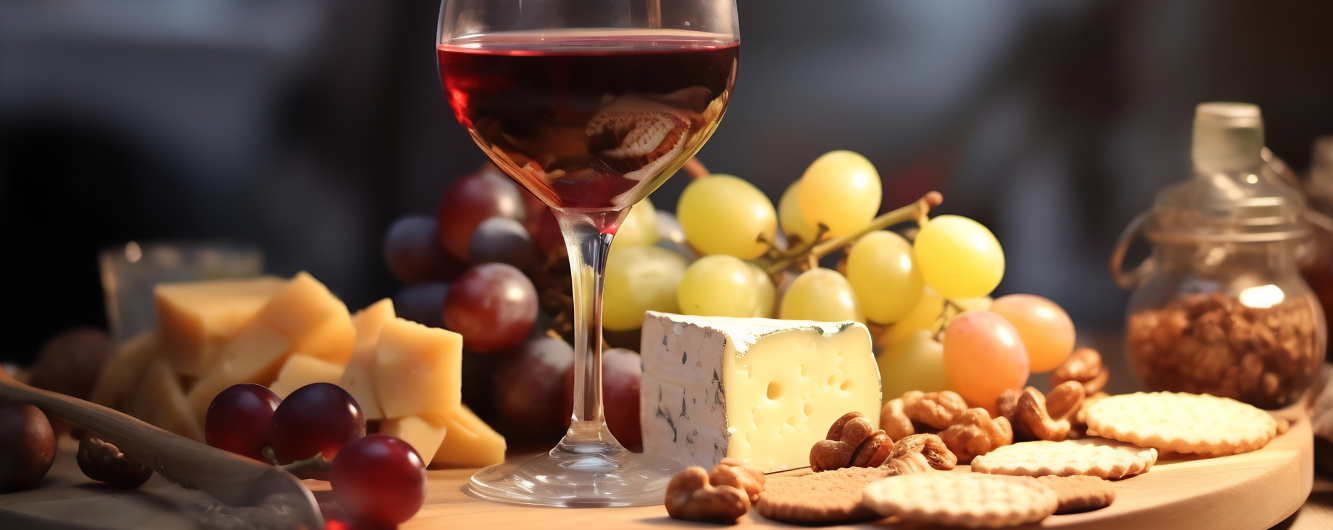
The dried fruit flavours, and balanced sweetness and acidity of dessert wine and Port make them a wonderful way to end a meal – either with or without food.
Dessert wines not only match many sweet treats, like apple tatin and cheesecake, they’re also great with some savoury foods, like salty blue cheese and even rich pâté.
Port is most at home on a cheeseboard; the salty, creaminess of the cheeses matching the fruity, nutty, layered flavours of the Port. Some more oxidised styles, like Tawny Port, are also delightful with sticky toffee pudding, mince pies, or even poured over vanilla ice cream. You can’t go wrong turning up to a dinner party with a bottle of Port.
So, whether you choose dessert wine or Port (or both) for your Christmas table this year, here are some of our top recommendations.
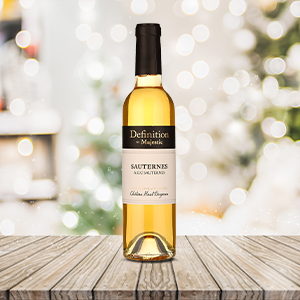
The vineyards' proximity to the Cerons River means that cool, misty mornings and long sunny days provide the perfect conditions for 'noble rot' – essential in the production of sweet Sauternes wines. Fine and elegant, discover aromas of peach, candied fruit, honey, and spices. Can be enjoyed as an apéritif with tangy desserts, but also makes a good pairing with poultry and blue cheeses.
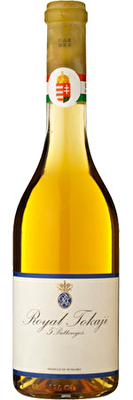
Acknowledged as one of the region’s top winemakers, Karoly Ats is the winemaker behind the award-winning Royal Tokaji range. Tokaji is produced by blending hand-picked shrivelled or ‘aszu’ berries with top quality base wines. A medium-amber colour with a nose of orange peel, figs, and cinnamon that make it great for rich cheeses.
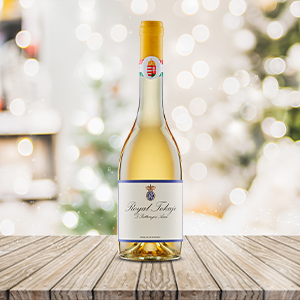
Royal Tokaji 5 Puttonyos, Hungary 50cl 2017/18
Our symbols help you choose your perfect wines for any occasion.
White and Rose Wines
Red Wines
Info

The Ned classic Sauvignon Blanc is one of our best-selling wines – so you can expect something truly wonderful from this luscious expression. Intensely sweet with caramelised apricot, peach, and honeycomb, layered with citrus and fresh melon. An amazing match for gorgonzola or rich pâtés.
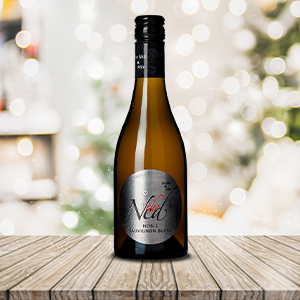
The Ned 'Noble' Sauvignon Blanc Half Bottle, Marlborough, New Zealand
Our symbols help you choose your perfect wines for any occasion.
White and Rose Wines
Red Wines
Info
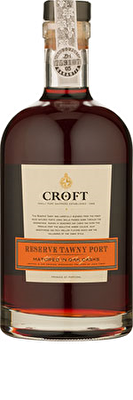
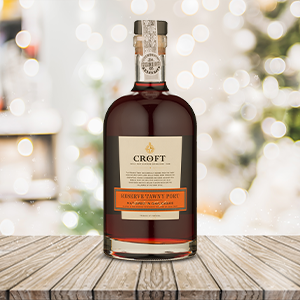
This Reserve Tawny is beautifully smooth and round, with warm aromas of butterscotch, walnut, and spice. Ripe and jammy fig flavours will complement a strong cheddar or a dark chocolate dessert.
Our symbols help you choose your perfect wines for any occasion.
White and Rose Wines
Red Wines
Info
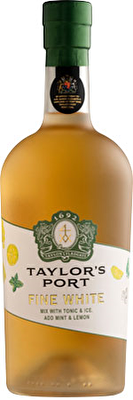
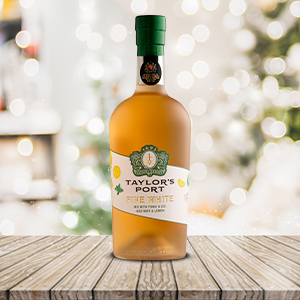
If you’ve never tried white Port before then you’re in for a wonderful surprise. It's deliciously fragrant with notes of honey and oak, and a long, smooth finish. Pair it with cheese, fruity desserts, and pâté. White Port is also delicious topped with tonic.
Our symbols help you choose your perfect wines for any occasion.
White and Rose Wines
Red Wines
Info