Why not add?


Cart

Winemaking countries in Eastern Europe include those like Romania, Slovenia, Slovakia, Armenia, Georgia, Croatia, and Bulgaria.
Many of these countries have a rich winemaking history, indeed the first signs of winemaking in Georgia date back over 8,000 years!
While Hungary has long been known for its Tokaji – a wine made from the grape Furmint that runs from dry to lusciously sweet – what about Slovakia, Slovenia, and Bulgaria? With native grapes and ancient winemaking techniques, these countries are known for producing elegant, structured wines that can rival some of the most well-known wine-producing countries in the world.
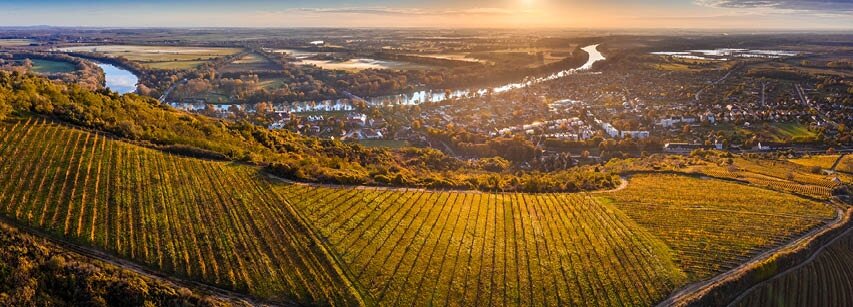
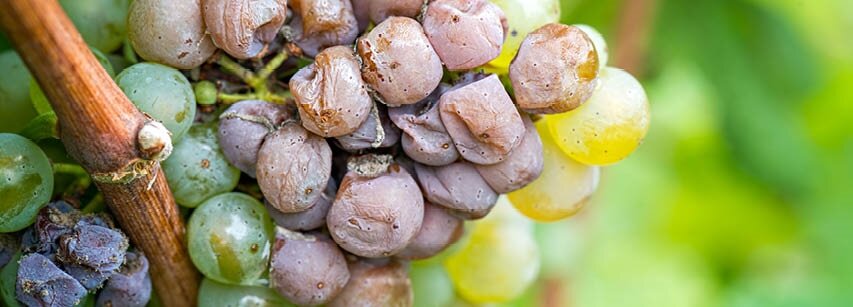
Hungary is one of the better known Eastern European countries, and that’s all thanks to its famous white wine, Tokaji. Made from the Furmint grape, in the region of Tokaj, styles range from dry to sweet. Those that are sweet are made for grapes affected by noble rot, a fungus that attacks the skins, concentrating the sugars and flavours inside.
However, we don’t see many reds. Hungary’s most famous red is Eger Bikavér (which translates to Bull’s Blood), a blend including the grape Kékfrankos. As the name suggests, it’s a rich, bold wine.
Often overshadowed by its neighbours, Slovakia is quietly producing some exceptional wines, especially along the southern border near Hungary’s Tokaj region. In fact, Slovakia makes its own version of Tokaji, using the same grapes.
The country is known for its crisp whites and lighter reds, with native and local varieties including Rizling Vlašský (Welschriesling), Devín, and Dunaj.
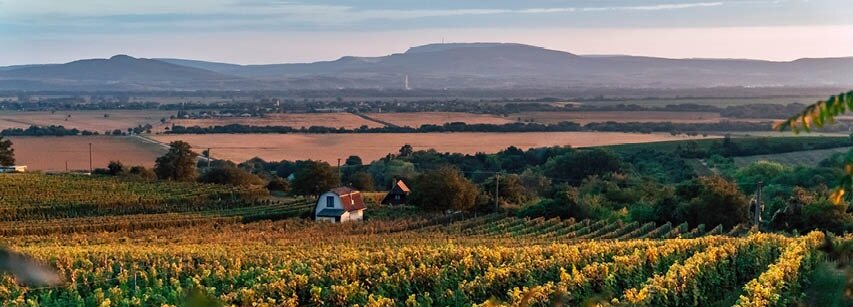
Slovenia is a rising star in the natural wine world. The region of Primorska is best-known for making orange wines from local grapes such as Rebula (Ribolla Gialla) and Malvazija Istarska. The hilly terrain and alpine influences bring a wonderful freshness to the grapes. International varieties also include Chardonnay, Sauvignon Blanc, Pinot Blanc, Merlot, and Cabernet Sauvignon.
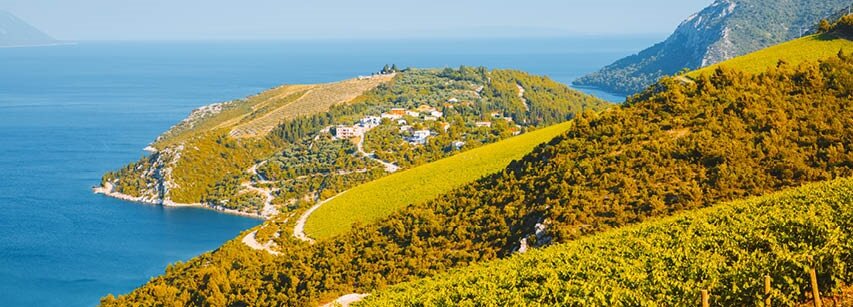
Croatia’s dramatic coastline and islands make for some of the most scenic vineyards in Europe. It has over 100 native grape varieties, with Plavac Mali being the most iconic bold red grape. It’s related to Zinfandel, also known as Primitivo.
The Dalmatian coast produces powerful reds, while the Istrian peninsula is known for fresh, mineral-driven whites like Malvazija Istarska.
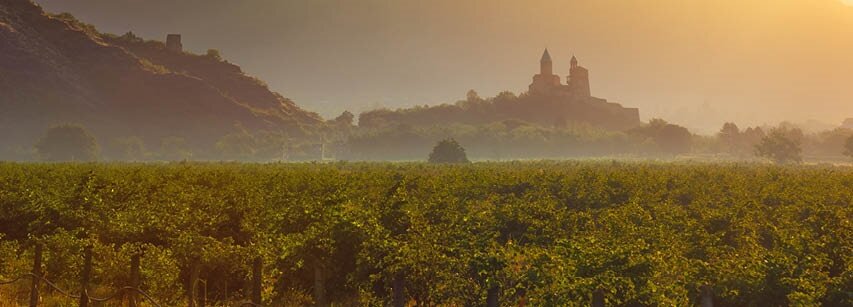
Georgia is one of the world’s oldest winemaking countries, credited with inventing the qvevri – a large clay vessel buried underground for fermentation and ageing. Still in use today, this ancient method reflects Georgia’s deep-rooted wine tradition. The country is home to around 500 native grape varieties, the most common being Saperavi, a deeply coloured, smooth red, and Rkatsiteli, known for its fresh, floral character.
Bulgaria was once one of the world’s largest wine exporters during the Soviet era, and it's now making a strong comeback with both international and native grape varieties. The Thracian Valley and Danubian Plain are major regions, offering diverse microclimates for bold reds and aromatic whites. Native grapes include Mavrud (a dark, tannic red), Rubin, and Dimyat. You can also find international varieties like Cabernet Sauvignon and Merlot.
Like Georgia, Armenia is one of the world’s oldest winemaking nations, with archaeological evidence of winemaking dating back over 6,000 years. The ancient Areni grape is still widely cultivated today and used in elegant, age-worthy reds. Armenian vineyards are often planted at high altitudes on volcanic soils, creating ideal conditions for organic viticulture. Traditional karas (clay vessels) continue to be used alongside modern techniques.
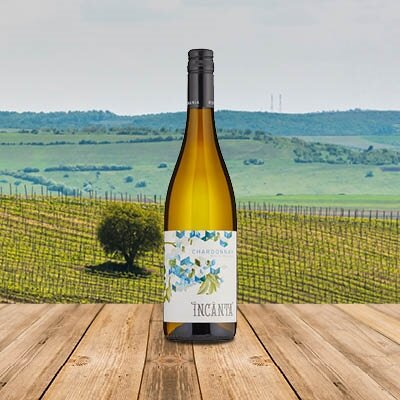
We’ve sold Incanta Pinot Noir for a few years now and it is among the best value-for-money versions of the grape you’ll find from anywhere. This Chardonnay doesn't disappoint either. It's ripe and rounded, with tropical fruit and citrus aromas and flavours of melon and stone fruits. Its fresh acidity makes it a delicious pairing for creamy mushroom risotto.
This wine's sweetness is achieved by allowing the grapes extended ripening time on the vine, increasing their sugar content. Expect rich notes of ripe peach, exotic fruits and blossom. It has the perfect balance of honeyed sweetness and fresh acidity, making a great pairing for fruit tarts, baklava, or ripe blue cheese.
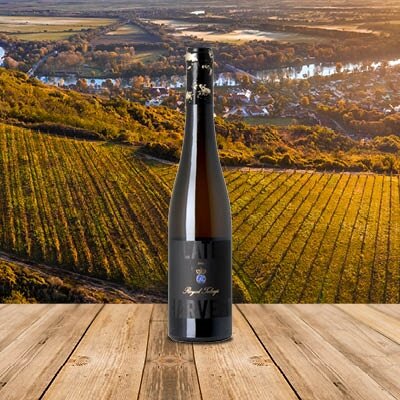
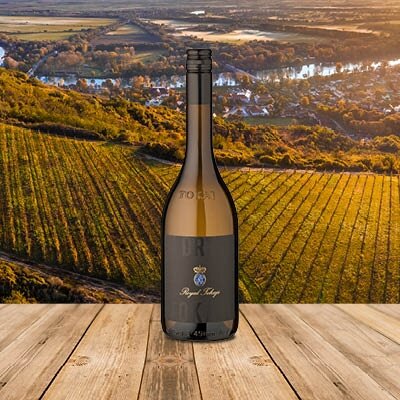
If you love crisp, dry wines like Chablis and Loire Sauvignon Blanc, you’re in for a real treat. Discover aromas of apple, pear, honey and blossom, combined with flavours of rich apricot and peach. The refreshing acidity will stand up to a rich dish like pork belly with a honey glaze.
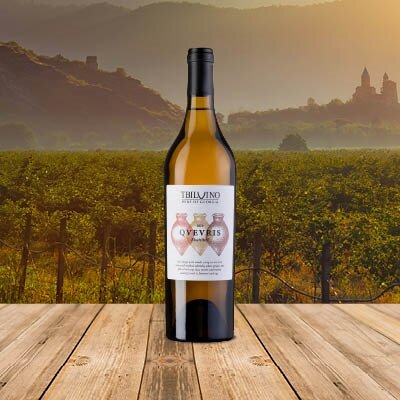
This white is made with Rkatsiteli, believed to be one of the oldest grape varieties in the world. The juice is fermented with the grape skins in ‘qvevri’ – clay pots buried in the ground – resulting in a beautiful amber colour and rounded texture, plus aromatic notes of apricot and pear.
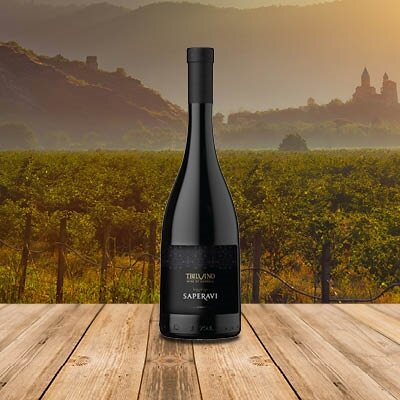
Made in a fruit-forward style, expect floral aromas alongside bold flavours of forest fruits followed by an elegant, fresh finish. Enjoy now with barbecued pork, veal, or fried vegetables, or age for 10 years.
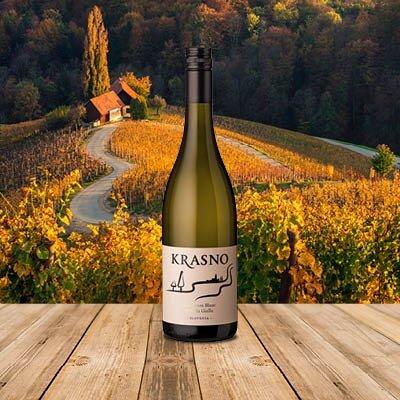
Brda is known as 'the Tuscany of Slovenia'. It sits between the Alps and the Adriatic, just over the border from Friuli, Italy, where similar white wines demand much higher prices. But because Slovenian Sauvignon is still relatively under the radar, you can pick it up for a bargain. This is fresh and fruity, with aromas of green apple, pear, lemon and freshly cut grass. Try its refreshing acidity with oysters.