Order in the next HOURS MINUTES  for NEXT DAY delivery  on • FREE NEXT/NOMINATED-DAY ON ORDERS £250+ (SELECT AT CHECKOUT) • FREE STANDARD DELIVERY ON £99+
Shop Local for Collection before 3pm on Saturday 11th to guarantee you'll have drinks in time for kickoff. Our stores are open until 7pm on Saturday*

Majestic Guides: Wine Club Geography series: Part 3: Coastal vines - how does proximity to the sea change my wine?


Category: Majestic guides

Wine Club Geography series - Part 3:
Coastal vines: how does proximity to the sea change my wine?
 

Majestic

In short:

Wine Club’s Geography series has seen us uncover how varying landscapes impact winemaking. So far, we’ve explored high altitudes, gradients, rivers and valleys. For our final instalment, our buying team headed to the coastlines of the Mediterranean, as proximity to the sea means interesting and exciting things for the winegrower.


The word ‘coast’ evokes many images: sun-drenched beaches. Salt-tinged breezes. Glistening seaside sunsets. In such charming settings, the glass of local wine in your hand might just taste that little bit more delicious. You might wonder if it’s simply because you’re savouring the moment, or if, perhaps, there’s another reason.

What is special about wines produced by the sea?

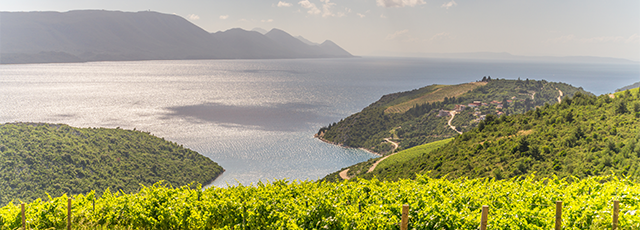
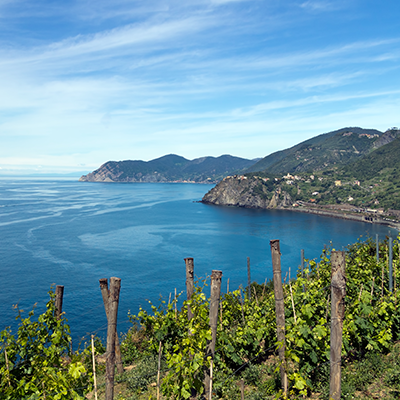
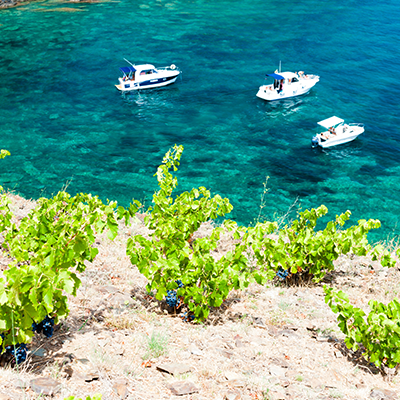
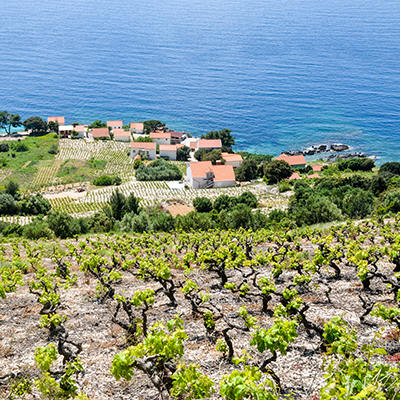
As with many notable vinous landscapes, wines from coastal terrain have their own unique characteristics. The Mediterranean in particular is home to countless coastal wine regions. From the vineyards of Valencia by the Balearic Sea, to Croatian plots on Adriatic waters, winemakers use the climate to their advantage. Besides creating classic wines with freshness and complexity, they frequently also use coastal vineyards to experiment with unconventional grape varieties. Often the wines they craft here wouldn’t be possible to produce even a few more miles inland.

So why is that the case? Let’s dive into all the unique ways that coastal vines benefit from being by the water’s edge:


Unique terroir

Wines produced by the sea are shaped by a combination of elements. The interplay of sea air, often sandy soils, and maritime influences create distinct flavour profiles, all of which offer a true sense of place. These charming and evocative flavours and aromas cannot be replicated elsewhere, making coastal wines all the more special. 

Temperature moderation

Temperature moderation is a key benefit of coastal regions for winemaking. The nearby sea acts as a natural regulator, controlling extremes in temperature. It cools down scorching summer days and provides warmth during chilly winters, creating a more favourable climate for grape cultivation.


Longer growing season 

Coastal regions enjoy a longer growing season thanks to the milder climate near the sea. The extended period allows grapes to ripen slowly and fully, promoting the development of complex aromas and flavours. This additional time on the vine contributes to wines with depth, balance, and nuanced expressions of the terroir.

Balanced ripening

A moderate coastal climate ensures a harmonious development of grapes, allowing them to reach optimal maturity. With cooler temperatures and longer growing seasons, the grapes have ample time to achieve ideal sugar levels, acidity, and perfect ripeness. This balance translates into wines with well-integrated flavours, refined structure, and a graceful expression of the terroir.


Refreshing acidity

A clear indicator of a coastal wine’s origins is its refreshing acidity. The vines' proximity to the sea and the moderating influence of coastal breezes help retain natural acidity in the grapes. This in turn enlivens the wine providing a crisp and lively character that adds zest and balance to every sip.

Salty nuances

This is the most significant telltale sign of a coastal wine. The maritime influence imparts a touch of saltiness onto coastal vines, resulting in wines that evoke the essence of the nearby sea. These delicate saline notes add complexity which enhances the overall flavour and provides a unique drinking experience that’s reminiscent of coastal landscapes.


Mineral expression

Coastal wines often exhibit a notable mineral expression, thanks to the interaction between the vineyard soils and the sea. The mineral-rich composition of coastal soils, combined with the influence of oceanic elements, imparts distinct mineral notes to the wines. These expressions can range from flinty and stony, to chalky and slate-like, adding an intriguing layer of complexity and contributing to the overall terroir-driven character of the wines.

Complex aromatics

Coastal wines often have complex aromatics. The combination of cool coastal climates, oceanic influences, and specific grape varieties results in a diverse range of enticing aromas. From delicate floral notes to zesty citrus, herbal nuances, and hints of saltiness, such wines offer an enchanting array of scents that add depth and allure to the overall tasting experience.


Food-friendly pairings

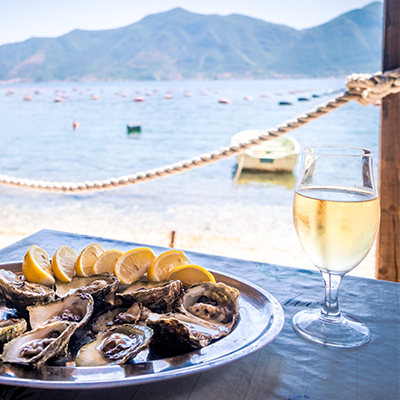
It’s easy to picture the scene: a seaside town with bustling bistros, each filled with holidaymakers delighting in the local cuisine and wine. The natural acidity and vibrant flavours of coastal wines make them incredibly versatile when it comes to food pairings. As the saying goes, ‘what grows together, goes together,’ so it’s no wonder they taste great with any local specialities.

And last but not least…

Coastal wines embody a sense of adventure and exploration. The distinctive characteristics and diverse flavours of these bottlings encourage wine lovers to step outside their comfort zones, try new varieties and regions, and embark on exciting tasting journeys – much like our approach to different food and cultural experiences when we travel abroad.


Every sip of a coastal wine offers a true sensory experience, sometimes enough to feel transported to the seaside. So naturally we can’t think of a better collection for the summer months ahead. To explore Wine Club’s Coasts case options, click here and scroll to the bottom of the page.

Ali Mountjoy
Majestic Copywriter & Wine Club Lead - WSET Level 3

Ali first gained a taste for everything ‘wine’ when she moved to France after university. Upon returning to England a few years later, her equal love of good food led her to work as a sommelier in some of the country’s best restaurants, including Gidleigh Park, Rick Stein’s, Texture and Lucknam Park. Ali gets just as much pleasure from writing about wine as she does tasting it.


BROWSE OUR RANGE