Furmint is Hungary’s flagship white grape variety, long associated with the world-renowned Tokaji wine region. Its natural high acidity and adaptability have made it the cornerstone of Hungary's winemaking tradition. While historically used in the iconic Tokaji Aszú dessert wines, today, dry Furmint is gaining international recognition for its quality and just like other leading white varietals, its ability to express its terroir.
What Makes Furmint Stand Out?
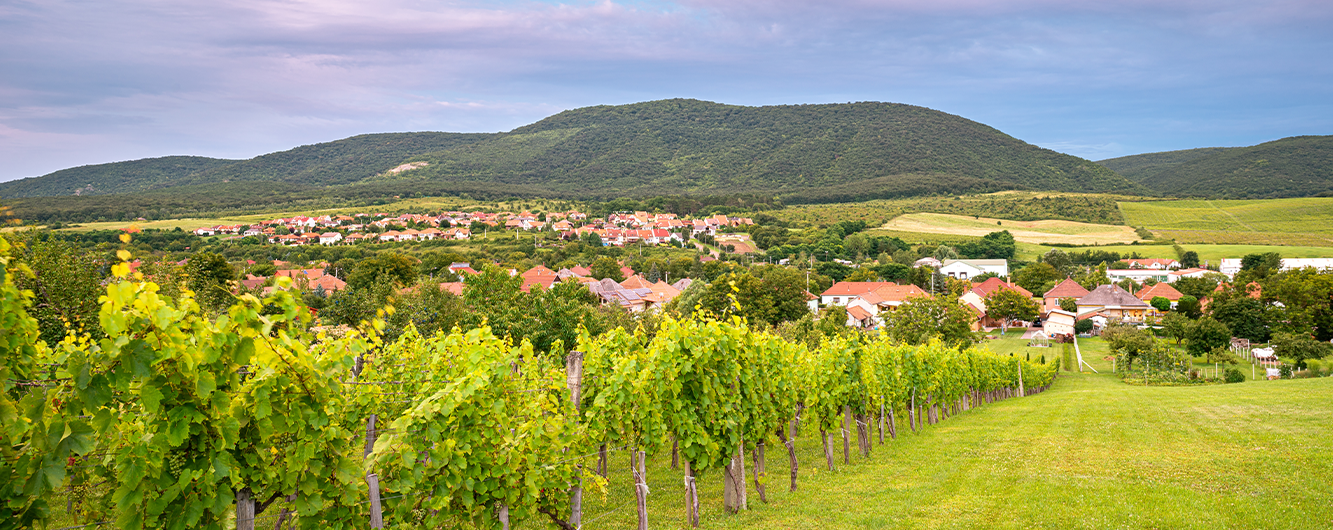
Furmint is linked to the volcanic soils and unique climate of Hungary’s Tokaj region. It excels in these conditions, producing wines that are both complex and distinctive. The grape’s high acidity allows it to age well, whether in its dry or sweet styles, and its natural characteristics include aromas of pear, quince, citrus and subtle spice.
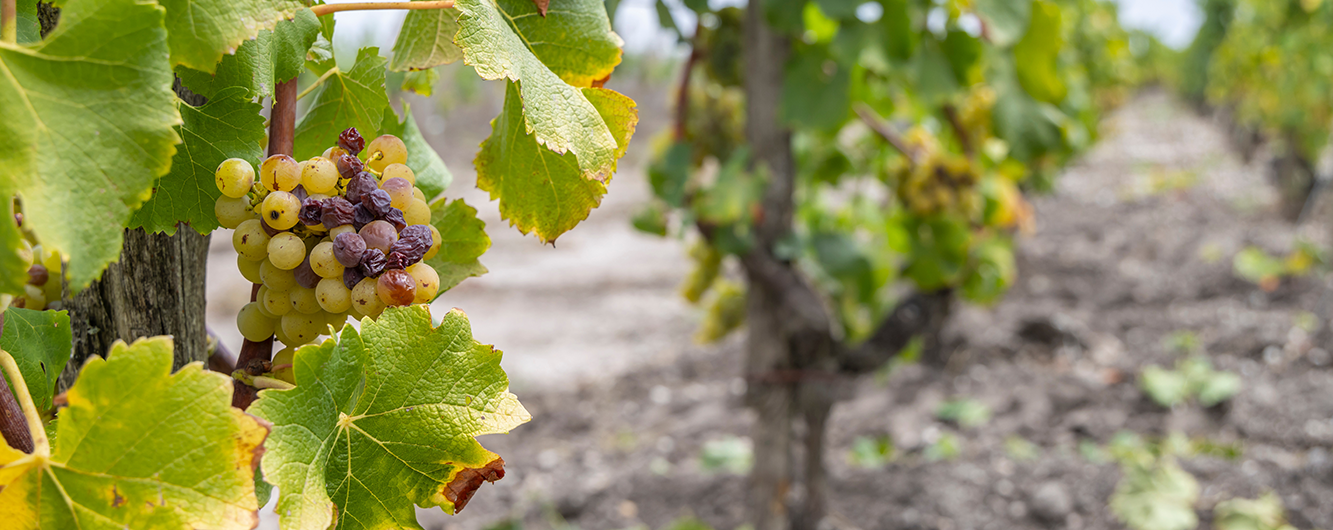
In the sweet wines of Tokaj, Furmint shows another side of its potential. These wines are made using botrytised grapes, which are affected by Botrytis cinerea, commonly known as ‘noble rot’.This natural phenomenon occurs under very specific conditions of humidity and warmth, where a delicate mould develops on ripe grapes, causing them to shrivel and concentrate their sugars, acids and flavours. The result is an intensely sweet and complex juice, which forms the base of the wine.
The process requires meticulous care, as not all grapes in a vineyard will be equally affected by noble rot. Skilled harvesters often pick the affected grapes individually – a time-consuming but essential step for crafting such exquisite wines.
In Tokaji Aszú, these botrytised grapes deliver concentrated flavours of honey, apricot and orange peel, balanced by refreshing acidity that ensures the wines remain lively rather than cloying. This unique combination has secured Tokaji Aszú a place among the world’s most celebrated dessert wines.
The use of botrytised grapes isn’t unique to Tokaj. Other iconic sweet wines share this technique, including Sauternes from Bordeaux, where Semillon, Sauvignon Blanc and Muscadelle grapes are transformed into luscious wines with notes of marmalade and tropical fruits. Similarly, Germany’s Trockenbeerenauslese Rieslings offer intense sweetness balanced by vibrant acidity, while Alsace produces highly regarded late-harvest wines, such as Sélection de Grains Nobles. These wines, like Tokaji Aszú, demonstrate the magic of noble rot and its ability to create some of the world’s most treasured dessert wines.
Styles of Furmint
Dry Furmint: These wines often highlight crisp acidity and fresh fruit flavours, with some showing minerality and oak influence, not dissimilar in style to Chablis. They’re excellent with rich dishes such as roast pork or creamy risottos. Tokaji Aszú: Made with botrytised grapes, these wines are sweet, intense, and complex, with hallmark notes of honey, dried fruits and citrus zest. Enjoy a glass with bold flavours, like those in blue cheese, foie gras or fruit-based desserts.
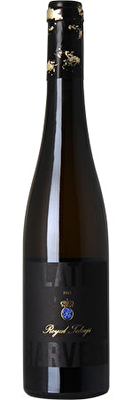
Late Harvest: A lighter, fruit-driven sweet wine, often showcasing ripe peach and orange blossom with a touch of sweetness. They make an ideal aperitif or partner to soft cheeses..
Sparkling Furmint: Furmint’s high acidity makes the variety suitable for making superb sparkling wines. Just like Champagne, producers use the traditional method of production resulting in more complex bubbles..
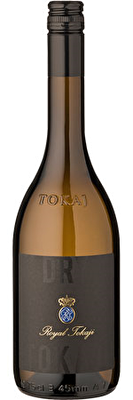
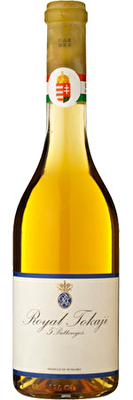
Raise a Glass to Hungary on 1st February and explore Furmint’s versatility by trying one of the below wines. For a standout introduction to the variety, Royal Tokaji, co-founded by wine writer Hugh Johnson, sets the gold standard in quality.