Why not add?


Cart

Bollinger is perhaps best known as the official sponsor of James Bond, with the Champagne appearing in the films for over four decades – but the history of the estate far exceeds Mr Bond, as we’re about to find out.
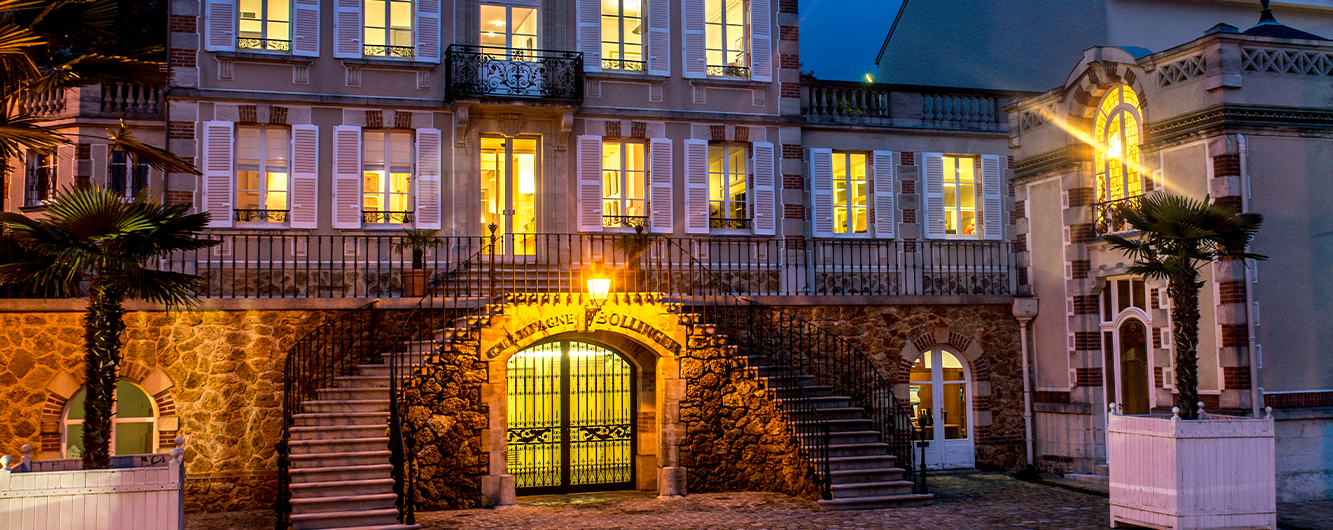
The House of Champagne Bollinger was founded in 1829 in the village of Aÿ, a Grand Cru village in the Vallée de la Marne, in the heart of the Champagne region. It’s still family-owned to this day, and enjoys an extensive history, reflected in the luxury and quality still enjoyed in their glasses almost 200 years on.
The Bollinger wines are defined as much by the vines and the terroir as they are by the art of their blending and vinification. Sustainability and organic principles are also key to the house’s philosophy, with Bollinger being the first Champagne house to be awarded the Haute Valeur Environmentale certification.
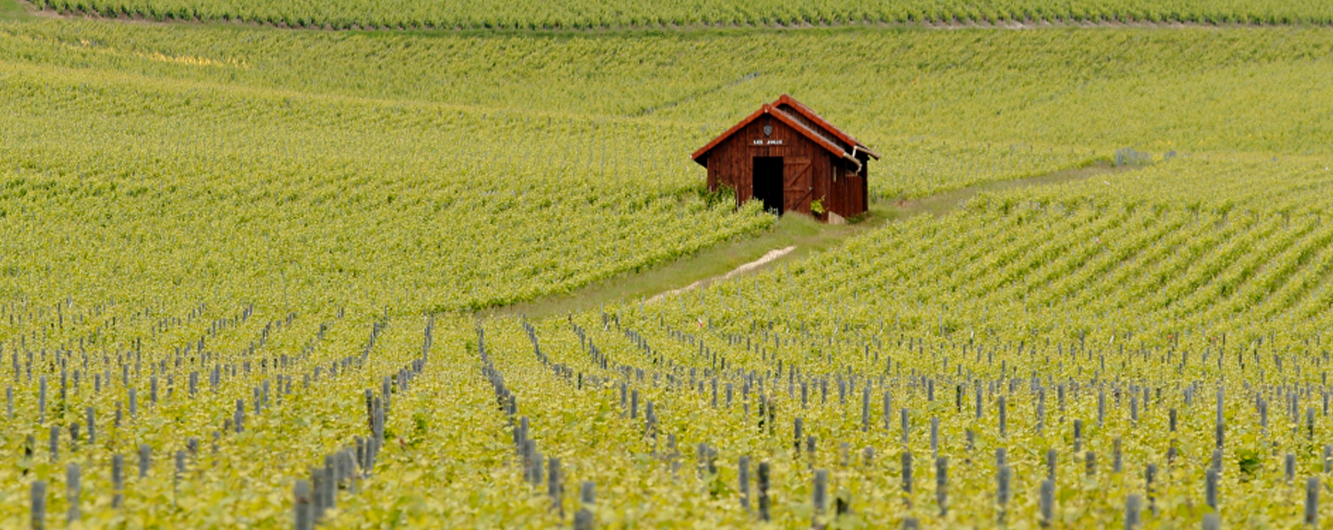
Over the years, Bollinger has built its vineyards at the heart of the finest crus in Champagne. Their 179 hectares of vines are made up of 85% Grand and Premier Crus and are farmed by teams of growers across seven separate vineyards: Aÿ, Avenay, Tauxières, Louvois, and Verzenay for Pinot Noir, around the Montagne de Reims, Cuis for Chardonnay in the Côte des Blancs and Champvoisy for Meunier in the Vallée de la Marne.
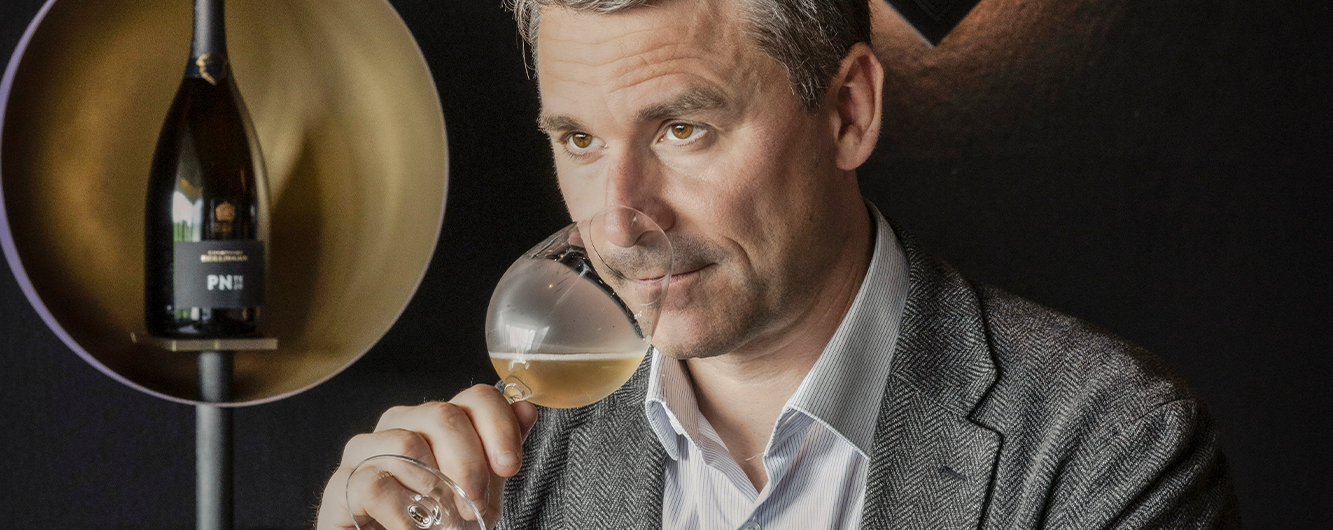
Best known for its use of Pinot Noir, it’s no surprise that this grape dominates, with around 60% of the estate’s vineyards planted with it, primarily in Grand Cru and Premier Cru sites across the Montagne de Reims and Aÿ. It’s a demanding grape variety with an intense character which forms the backbone of the Bollinger style and emphasises their hallmark qualities of richness, depth, and longevity.
The estate is also famous for preserving two small plots of ungrafted pre-phylloxera Pinot Noir, Clos Saint-Jacques and Chaudes Terres, tended by painstaking provignage (layering) methods. These parcels are bottled only in the mythical cuvée Vieilles Vignes Françaises, one of Champagne’s rarest and most collectable wines.
Today, the winemaker is Denis Bunner, who was appointed to the Chef de Cave role at Champagne Bollinger in 2023 after the sad passing of his predecessor Gilles Descôtes, after a decade as Deputy Chief Winemaker.
Even as the role of winemaker has changed hands, Bollinger has never abandoned their traditional craft method and every bottle of La Grande Année continues to be riddled and disgorged by hand.
One of the key winemaking techniques that sets Champagne Bollinger apart, is the fermenting and ageing process. Unlike most large houses, they ferment their base wines largely in small, old oak barrels, a practice that adds texture, complexity, and ageing potential. The wines are aged on lees for longer than legally required; three years for the special cuvées (versus the minimum 15 months) and prestige cuvées for much longer.
The final hallmark of Champagne Bollinger is the house’s vast stock of reserve wines, which are kept in magnums under natural cork and aged for up to 15 years! These reserve wines are blended into the non-vintage cuvée, lending it remarkable depth and consistency across decades – they provide a truly special drinking experience if you ever manage to get your hands on a bottle.
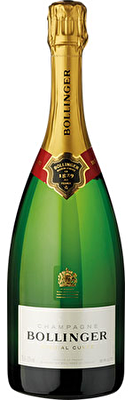
One of the ways Bollinger stands apart is by fermenting their base wines in oak casks. This results in a Champagne with complex creamy and spicy flavours. To make the Special Cuvée, grapes are predominately picked from Grand Cru and Premier Cru vineyards. Rich. Ripe. Powerful. These velvety complex bubbles have aromas of roasted apple, walnut, and spice, with flavours of pear, biscuit, and toasted brioche.
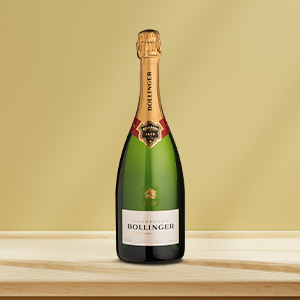
Bollinger 'Special Cuvée' Brut Champagne
Our symbols help you choose your perfect wines for any occasion.
White and Rose Wines
Red Wines
Info

This elegant rosé is an excellent demonstration of their blending mastery. To make it, they add a portion of an exceptional red wine made with grapes from top plots in their Pinot Noir vineyards – bringing deliciously fruity aromas to the finished wine. You’ll find it wonderfully structured and velvety, with notes of fresh strawberry, redcurrant, cherry and spice.
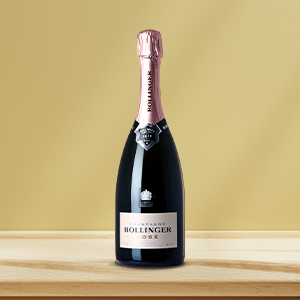
Our symbols help you choose your perfect wines for any occasion.
White and Rose Wines
Red Wines
Info
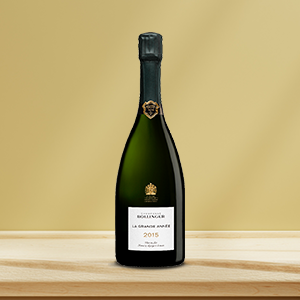
This elegant vintage Champagne is made from a blend of Pinot Noir and Chardonnay sourced from Bollinger’s most premier vineyards. The wine displays a beautiful golden hue with a fine mousse, aromas of ripe apples, toasted nuts, and hints of honey, with a rich, creamy palate, and a long, elegant finish. Ideal for celebrating special occasions, gifting, or pairing with chocolate and raspberry fondant.