Why not add?


Cart

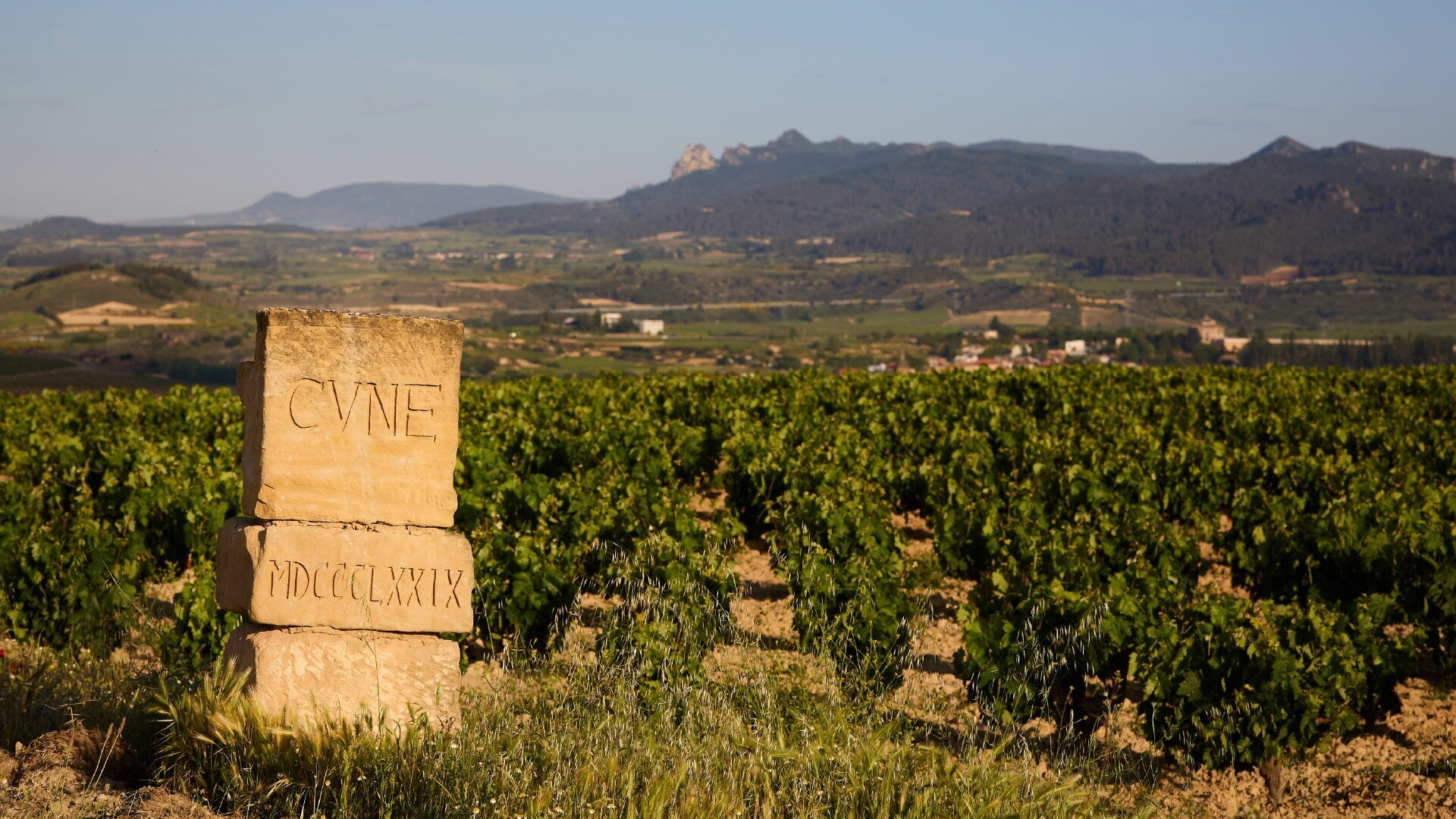
Bodegas C.V.N.E. Is run by the fifth generation: brother and sister Victor Urrutia and Maria Urrutia Ybarra.
We caught up with Chief Winemaker Maria Larrea to learn about her journey from a childhood in the vineyards to navigating climate change and discovering why this historic estate is more relevant and exciting today than ever before.
Being born and raised in Rioja, were you always destined to become a winemaker?
"My parents owned a vineyard in Elciego, a small village deeply dedicated to winemaking. As the oldest of eight siblings, I always accompanied my father to the vineyards. So, looking back, I think I was possibly destined for this, and it was always going to happen."
After studying abroad and making wine elsewhere in Spain, what was it that drew MARIA LARREA you back to your roots, to Rioja and C.V.N.E?
"I always knew I wanted to study abroad to train and expand my horizons, but I also knew I’d end up back in Rioja. The potential here is perfect, thanks to our soils, the climate, and our deeprooted traditions, we have a unique mix of incredible vineyards and technology in oenology. So, when the chance to work at a centuryold winery like C.V.N.E., with such a huge reputation, came up, I didn’t think twice."
In your experience, how has Rioja evolved since your return to the region?
"Rioja has undergone a profound transformation in the last 25 years, both in its viticulture and in the more precise production of wines. Rioja has diversified its offering thanks to a rich and varied region that allows us to produce white and red wines with distinct profiles – all while maintaining excellent quality, rich traditions, and viticultural and commercial innovation."
What is your favourite aspect of your role?
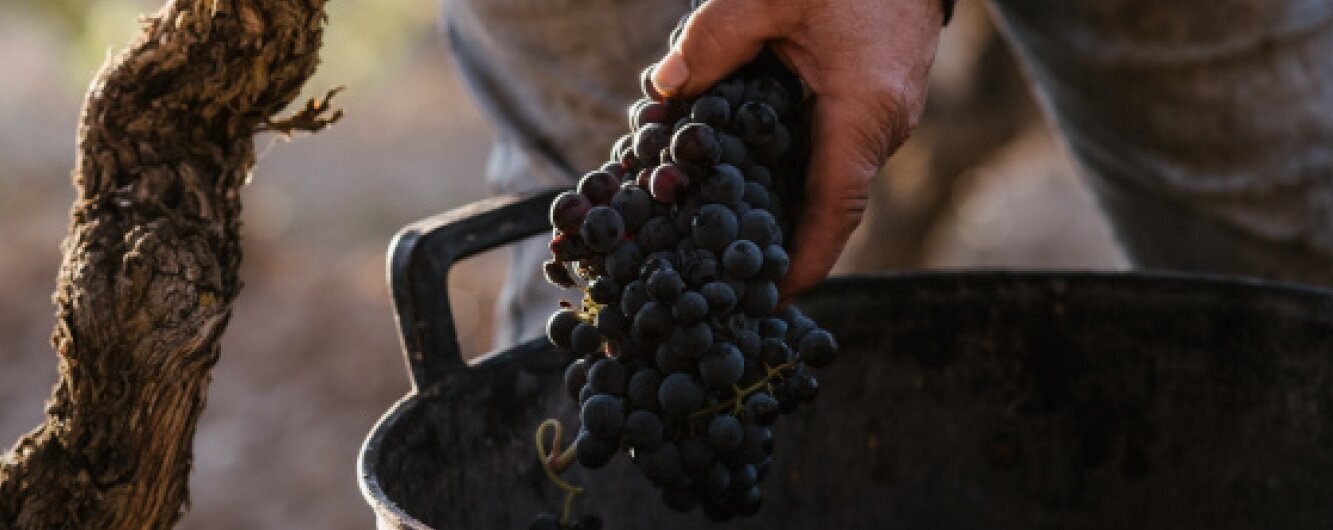
"Without a doubt, September and October are the most beautiful months here. It all starts with the ripening controls, where we walk through the vineyards tasting the grapes to decide the perfect time for harvest. Then October comes, and harvest is an incredible experience. In just one month, we must make crucial decisions that will completely shape the future and quality of the wines. And after that, the landscape changes again and the vines turn red and yellow."
How are C.V.N.E. adapting to a changing climate and increasingly unpredictable harvests?
"Climate change forces us to rethink centuries of viticulture while remaining faithful to our wines’ character. We are increasingly planting at higher altitudes to preserve freshness and slow ripening. At the same time, we are investing heavily in regenerative viticulture, through biodiversity corridors, cover crops, raptor perches, insect hotels, and other initiatives that strengthen the natural balance of the vineyard ecosystem. We are also adapting our approach to water management, reducing herbicide use, improving irrigation efficiency, and selecting plant material that is better suited to warmer and drier conditions."
If a customer has never tried your wines before, which bottle is the perfect introduction?
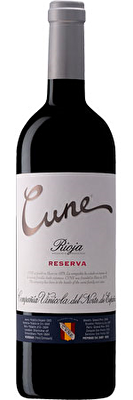
"I would undoubtedly recommend starting with one of Rioja’s classic categories: Reserva. Cune Reserva, a traditional blend built around Tempranillo and complemented by Rioja’s other key varieties – Garnacha, Mazuelo and Graciano – combined with ageing in both American and French oak, is a faithful expression of Rioja’s classic style, interpreted through a contemporary lens."
Using 45-year-old vines for superbly concentrated flavours, this wine is then aged for two years in oak and three years in CVNE’s cellars to unlock its deep complexity. Expect flavours of black fruits, spice, and leather, with subtle vanilla notes and firm tannins.
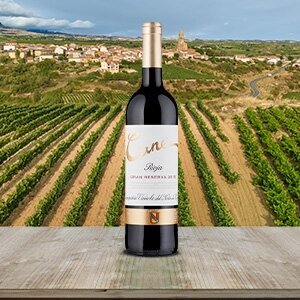
Cune Rioja Gran Reserva 2017/18
Our symbols help you choose your perfect wines for any occasion.
White and Rose Wines
Red Wines
Info

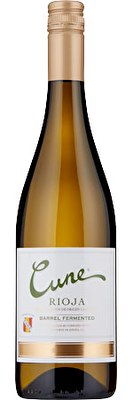
White Rioja is simply a must-try! This one is made from the Viura grape, which is known as Macabeo outside of Rioja. It has a fantastic creamy texture and aromas of brioche and vanilla from fermentation in 50% new American oak. It’s full and rounded with a balancing citrus acidity. Fantastic with roast pork.
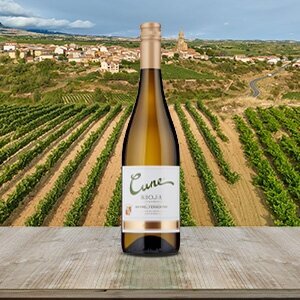
Cune Barrel Fermented Rioja Blanco 2023/24
Our symbols help you choose your perfect wines for any occasion.
White and Rose Wines
Red Wines
Info
Our symbols help you choose your perfect wines for any occasion.
White and Rose Wines
Red Wines
Info
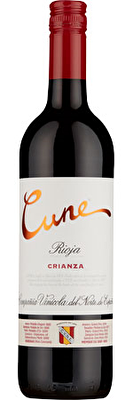
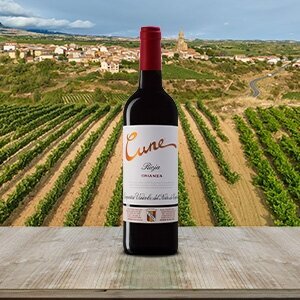
A modern style, this Crianza is made from a single plot of 30-year-old vines, so yields are low – and fewer grapes mean more concentrated flavour. Bright. Supple. Fresh. It’s full of juicy red-fruit flavours, plus hints of vanilla and toffee from 12 months of oak ageing. Ideal for tapas dishes.
Our symbols help you choose your perfect wines for any occasion.
White and Rose Wines
Red Wines
Info
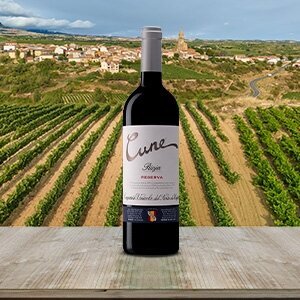
A benchmark example of the time-honoured oaked Rioja Reserva style. Rich. Warm. Vanilla-spiced. It’s aged in oak barrels for 12 months, giving the final wine finesse, spice and softness. It’s delicious with roast lamb or Spanish-style beef steaks.