Order in the next HOURS MINUTES  for NEXT DAY delivery  on • FREE NEXT/NOMINATED-DAY ON ORDERS £250+ (SELECT AT CHECKOUT) • FREE STANDARD DELIVERY ON £99+

Inside Knowledge: What makes a wine fine?


What Makes a Wine Fine?


A fine wine is more than just an expensive bottle. It’s well-balanced, complex, has long-lasting flavour, and embodies where it comes from.

What is Fine Wine?

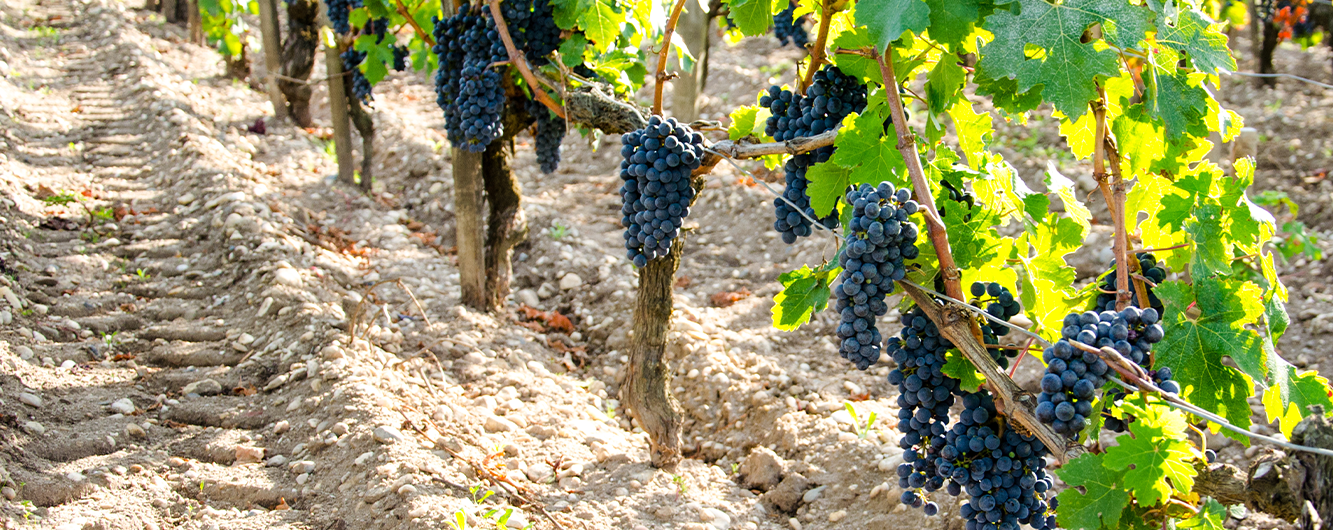
You’ve probably heard the term ‘Fine Wine’. But have you ever wondered what exactly makes a wine ‘fine’? It’s not just a premium price tag – though many fine wines, due to their limited availability and popularity, cost more than your average bottle. Fine wines are made with the very best grapes, are produced with extra care, and often come with the potential to age, developing into something even greater. The way to recognise a fine wine is by its taste. A good fine wine will have balance, length, complexity, and a strong sense of place – known as terroir.


Balance

The world’s best fine wines are extremely well-balanced. They aren’t too acidic, too sweet, too oaky, or alcoholic. Instead, they’re harmonious, all the elements – acid, tannins, alcohol, body, and flavour – working together to bring joy in every sip.

The ideal balance will vary with each individual wine. A crisp white Chablis might have high acidity, subtle fruit, and a light body, while a bold red from California should be smooth and well-structured, bursting with ripe fruit flavours, integrated tannins, and alcohol.


Majestic

Length

Another indicator of a fine wine is its length – also referred to as its ‘finish’. Length is when the flavour lasts. Most wines leave a lasting taste for a few seconds after you’ve swallowed. But the complex flavours of a fine wine should stick around much longer; 30 seconds or more. Lingering flavours is a sure sign that the wine is made from top-quality grapes by an estate that knows how to make standout wines.


Complexity

Complexity refers to the number of flavours and aromas you can find in a wine. The best fine wines offer layers of complexity, from fresh fruits to dried fruits, spice, herbs, savoury tones and more. This is predominantly thanks to the use of high quality grapes and careful winemaking techniques.

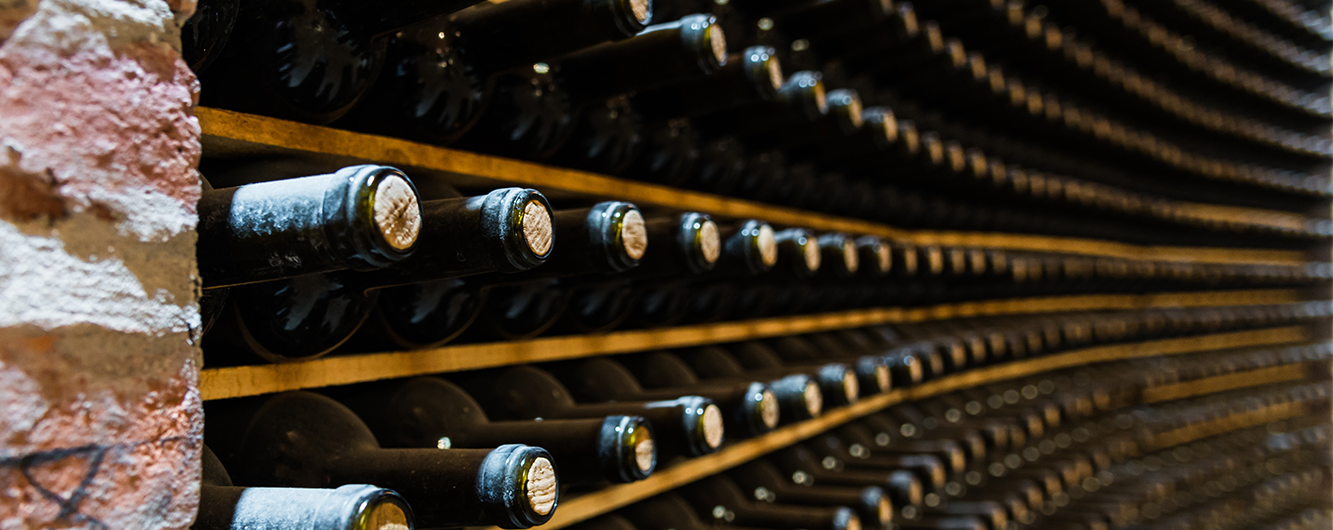
Many fine wines are designed for ageing and develop complexity as they rest in the bottle. For example, premium red Burgundy is known to show earthy mushroom flavours as it ages, while the finest mature Rioja can display complex notes of leather and tobacco.


Majestic

Terroir

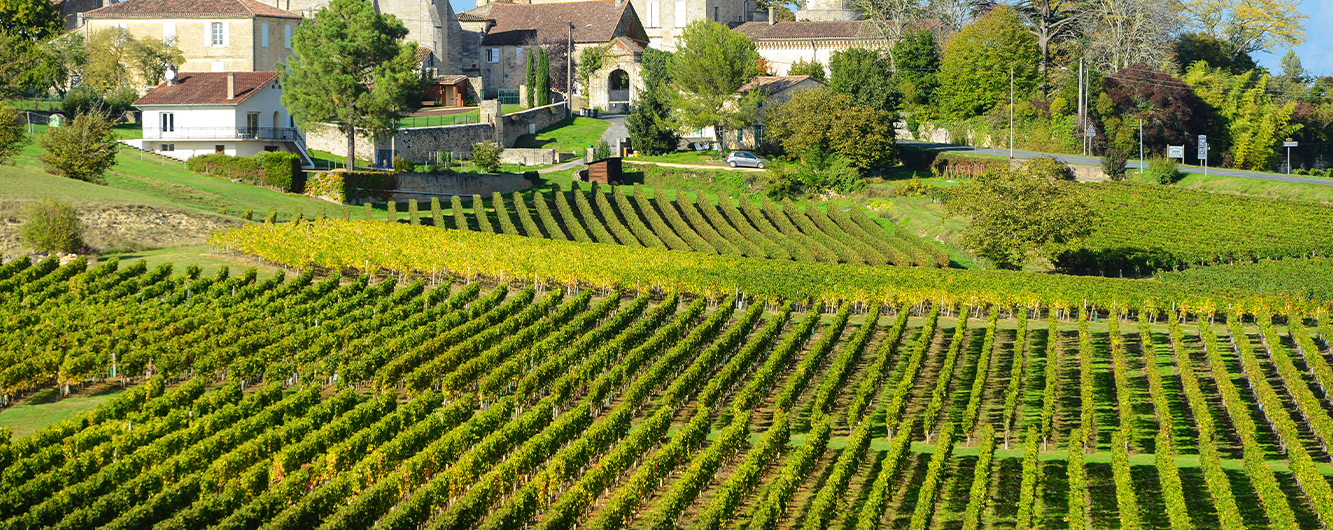
Fine wines don’t only taste delicious – they reflect where they’re from. This is known as ‘terroir’ – a French term that means the wine tastes of its place: the soil, the climate, and its surroundings, such as the vineyard's proximity to the sea.

Great winemakers aim to ensure the terroir can be tasted in the wine, which is why some of the most sought-after fine wines are from single vineyard grapes.

Terroir is part of what makes fine wine – any wine in fact – so special. It’s what truly sets the wine apart.


How to spot a fine wine?

You don’t need to be a sommelier to spot a fine wine. It’s all about taste. Remember, you’re looking for it to taste harmonious, with balanced acidity and alcohol, complexity, and a long length.

Majestic

Take a look at some of our recommended fine wine bottles below or why not join our Wine Club and treat yourself to a fine wine subscription!


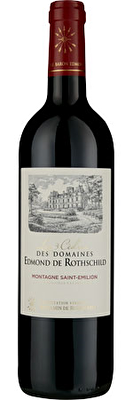
Baron Edmond de Rothschild Montagne-Saint-Émilion

This delicious Saint-Émilion-lookalike is made by Domaine Edmond de Rothschild Heritage – the same family behind some of Bordeaux’s most expensive wines. It’s from Montagne-Saint-Émilion – one of the only Saint-Émilion satellite appellations with high enough quality wines to use the Saint-Émilion name. It's rich, savoury, and full of both fresh and dried fruit flavours.

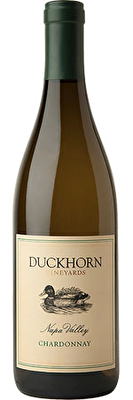
Duckhorn Vineyards Chardonnay, Napa Valley

Duckhorn Vineyards was one of the first 40 wineries established in Napa Valley. The area has a stellar reputation for a reason – its vineyards are the first place to look for grapes of outstanding quality. This Chardonnay is rich and fruity. Think white peaches, blossom, and creamy lemon flavours. It’s layered, complex, and textured with the subtle sweetness of French oak.

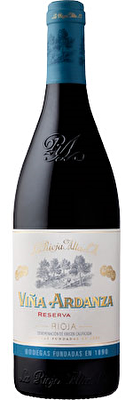
La Rioja Alta 'Viña Ardanza' Rioja Reserva

La Rioja Alta is the gold standard for traditional Rioja bodegas. This wine is made from 30-year-old vines and aged for three years in oak, bringing you an indulgently rich Reserva with plenty of ripe fruit flavour and silk-smooth tannins. It has notes of red fruits, vanilla, liquorice, and cinnamon.


Majestic

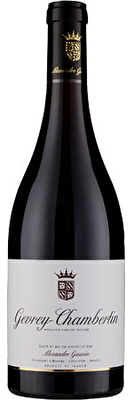
Maison Alexandre Gauvin Gevrey-Chambertin

Full bodied, structured, and fantastically age-worthy, the wines of Gevrey-Chambertin are some of the most prestigious and sought-after reds in the world. This wine’s a must-try wine for anyone curious about just how good Pinot Noir can get. It’s intensely fruity with flavours of black cherry, blackberry, and notes of liquorice and leather.

Michel Redde 'Barre a Mine Blanc' Pouilly-Fumé

Pouilly-Fumé is located in the eastern end of the Loire Valley and is one of its most famous appellations. Producing dry, perfumed Sauvignon Blancs with distinctive smoke and flint characteristics. The wines are highly prized, with the best capable of cellaring for several decades. Expect notes of exotic pineapple and passion fruit with a palate full of spice and a white pepper finish.

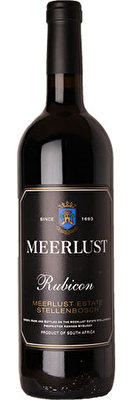
Meerlust Rubicon, South Africa

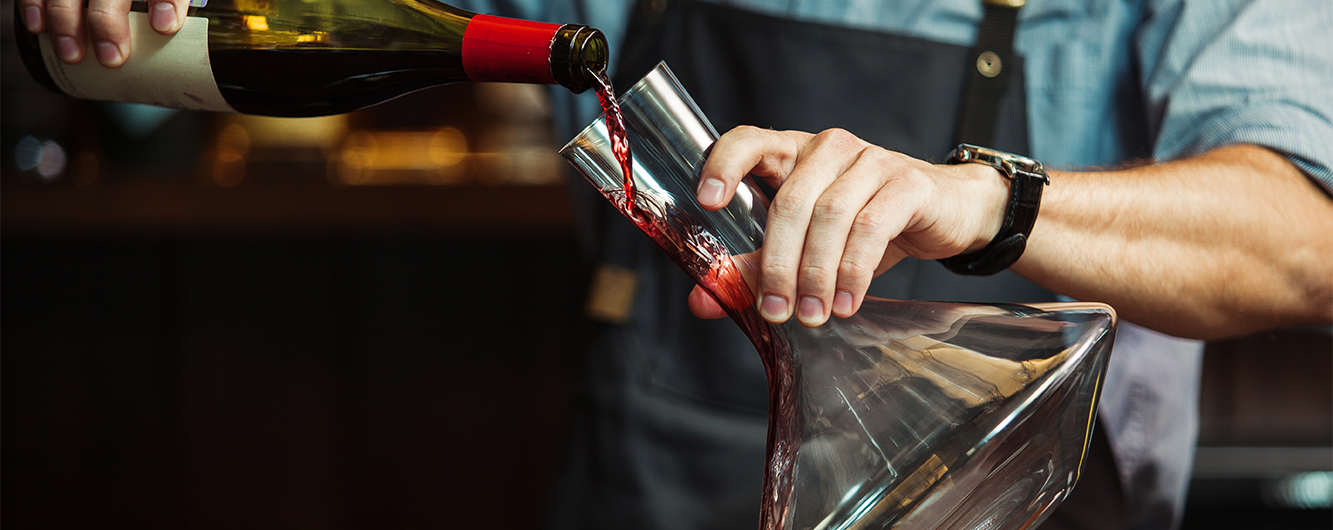
The Rubicon is a South African classic. It's made by the Meerlust estate, which has been in the Myburgh family since 1756. And it paved the way for the country's Bordeaux blends that are rightfully celebrated today. This has notes of black fruit, cedar, tobacco leaf, and spice. Decant for an hour and serve at room temperature with roast lamb.


BROWSE OUR RANGE