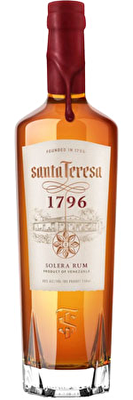
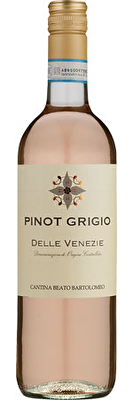
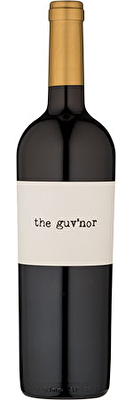
Why not add?


Cart

The origins of rum date back to the 17th century Caribbean, when people working on sugarcane plantations discovered that molasses, a byproduct of sugar refining, could be fermented and distilled into alcohol. The earliest known rum distillation occurred on the island of Barbados around the 1640s. As the production of rum grew, it became a vital commodity in the so-called "triangular trade" between Europe, Africa, and the Americas. Rum became especially popular in colonial North America, where it was widely consumed and even used as a form of currency. Over time, the spirit evolved from its harsh early forms into a smoother and more refined drink, with different styles emerging across the Caribbean and Latin America. Today, rum remains a symbol of island culture and maritime history, with diverse expressions ranging from light Cuban-style rums to rich, aged rums from Jamaica, Martinique, and beyond.
In the modern day, rum has experienced a renaissance, moving far beyond its associations with pirates, tropical cocktails, and beachside resorts. Today, rum holds a respected place in the global spirits market, with growing appreciation for its craftsmanship. Premium and artisanal rums, especially those aged in oak barrels or made from fresh sugarcane juice, are increasingly used in high-end mixology. There is a rising movement toward transparency and authenticity in labeling and production methods. Craft distilleries around the world are also experimenting with innovative aging techniques. International Rum Day, celebrated annually on August 16th, serves as a global tribute to this beloved spirit. It's a day for rum enthusiasts, bartenders, and distillers to come together and honour the rich history and cultural significance of rum.
Rum is made by fermenting and distilling sugarcane byproducts, either molasses or fresh sugarcane juice. The process begins with fermentation, where yeast is added to the sugary liquid to convert sugars into alcohol. This fermented mash is then distilled, typically in either column stills for lighter rums, or pot stills for richer, fuller-bodied rums, to separate the alcohol from the rest of the liquid. After distillation, the rum may be aged in oak barrels, which adds depth, colour, and complexity to the spirit. Finally, it’s filtered and blended, sometimes with added spices or caramel colouring, before being bottled.
Rum typically ranges in style from light and clean to rich and complex, depending on how it’s made and aged. Unaged or lightly aged rums, often called white or silver rums, are usually smooth, mildly sweet, and slightly fruity or grassy, making them ideal for cocktails like mojitos or daiquiris. Aged rums, which mature in oak barrels, develop deeper flavors such as caramel, vanilla, spice, and dried fruit, with darker rums often showing notes of toffee, smoke, or molasses. Spiced rums are infused with ingredients like cinnamon, clove, or vanilla, adding extra warmth and complexity. The taste of rum is generally characterised by its underlying sweetness, though its full flavour profile varies significantly depending on origin, aging, and production methods.
Rum is broadly categorised into three main families, Spanish, English, and French, each shaped by the colonial powers that once ruled the sugar-producing regions. Spanish-style rums, primarily produced in countries like Cuba, Puerto Rico, the Dominican Republic, and Panama, are typically distilled to a lighter body and refined taste, often using column stills. These rums are known for their smooth, clean character and are frequently aged to develop subtle notes of vanilla, caramel, and spice. English-style rums, found in former British colonies such as Jamaica, Barbados, and Guyana, are usually more robust and full-bodied, often distilled in pot stills. These rums are known for their bold, funky, and sometimes earthy profiles, featuring notes of tropical fruit, molasses, and spice. French-style rums, or rhum agricole, are most commonly made in the French Caribbean islands like Martinique and Guadeloupe, and are distilled from fresh sugarcane juice rather than molasses. These rums have a grassy, vegetal, and aromatic profile, often with a dry finish, and are protected by strict AOC (Appellation d'Origine Contrôlée) regulations in some regions. Each of these families showcases the cultural and technical diversity within rum production, offering distinct experiences for enthusiasts and newcomers alike.
There's an enticing selection of rums from across the globe waiting to be explored. With so much variety it's not surprising that rum has become all the rage amongst celebrities, trendy bartenders and those in the know.
Our symbols help you choose your perfect wines for any occasion.
White and Rose Wines
Red Wines
Info


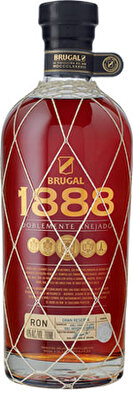
Brugal 1888 Double Aged Rum, Dominican Republic 70cl
Our symbols help you choose your perfect wines for any occasion.
White and Rose Wines
Red Wines
Info

Our symbols help you choose your perfect wines for any occasion.
White and Rose Wines
Red Wines
Info