Order in the next HOURS MINUTES for NEXT DAY delivery on • FREE NEXT/NOMINATED-DAY ON ORDERS £250+ (SELECT AT CHECKOUT) • FREE STANDARD DELIVERY ON £99+
With a variety of regions and differing climates, France offers a huge variety of white wines, from crisp Sauvignon Blanc to rich Chardonnay.
France is home to some of the world's most famous wines. Thanks to its rich mix of climates, soils, and winemaking traditions, the country produces an incredible range of white wines – from the zesty freshness of Sauvignon Blanc to the layered richness of aged Chardonnay.
Many of the world’s most iconic white grape varieties hail from France, including Sauvignon Blanc, Chardonnay, Chenin Blanc, and Pinot Gris. But what truly sets France apart is how its diverse regions bring out such distinctive styles from the same grapes.
From the chalky slopes of Champagne to the sun-drenched vineyards of Provence, France’s white wines are a masterclass in variety. Whether you crave crisp and mineral or bold and buttery, there’s something here for every wine-lover.
Here’s our guide to the grapes and regions you need to know to get the most out of this country.
Burgundy
White Burgundy is a global benchmark for Chardonnay. The region is home to some of the finest expressions of Chardonnay in the world, commanding staggering prices at auction. At one extreme, the best white Burgundy is endlessly complex, and can age for decades, developing until it’s worthy of the most special occasions. But you can also find delicious, everyday wines here, too.
The vast majority of white wine in Burgundy is made from 100% Chardonnay, but the local variety Aligoté is also allowed.
Within Burgundy, distinct areas are known for producing markedly different styles of Chardonnay, as we’ll discover below.
Chablis is the northernmost part of Burgundy and has a cool climate. It’s known for fresh, crisp wines with higher acidity, and sometimes characteristic flavours or aromas of minerals, green apple, and flint. Some of the Premier and Grand Cru wines will spend time ageing in barrels, but typically time in oak is low compared to other rich white Burgundies, resulting in a fresh, clean wine.
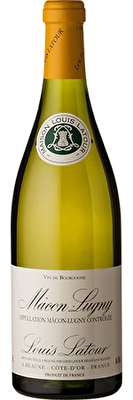
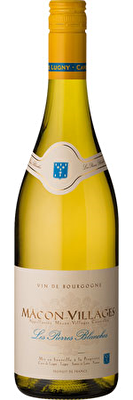
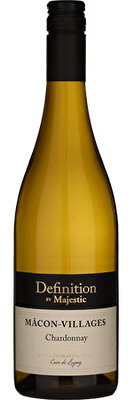
Mâcon is in the south of Burgundy and is most well-known for flavoursome, riper wines, often with flavours of tropical fruits. Wines from Mâcon can offer great value for money. Wines can be oaked or unoaked.
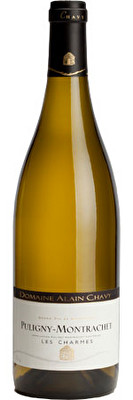
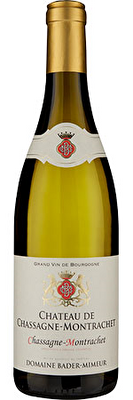
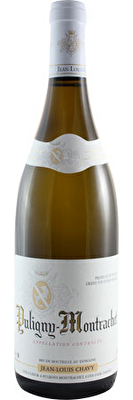
Located in the Côte de Beaune, these are two of the ‘superstar’ areas of Burgundy thought by many to produce the finest examples of Chardonnay in the entire world. The area has a high concentration of Premier Cru and Grand Cru vineyards (the very best sites in the region), and prices can reach extremes. But if you’re looking for the flavours that only superb Chardonnay can provide, then this is the region to explore.
Production methods, individual winemaking styles, and microclimates mean there are few generalisations to be made about either Puligny or Chassagne beyond overall depth and complexity of flavours.
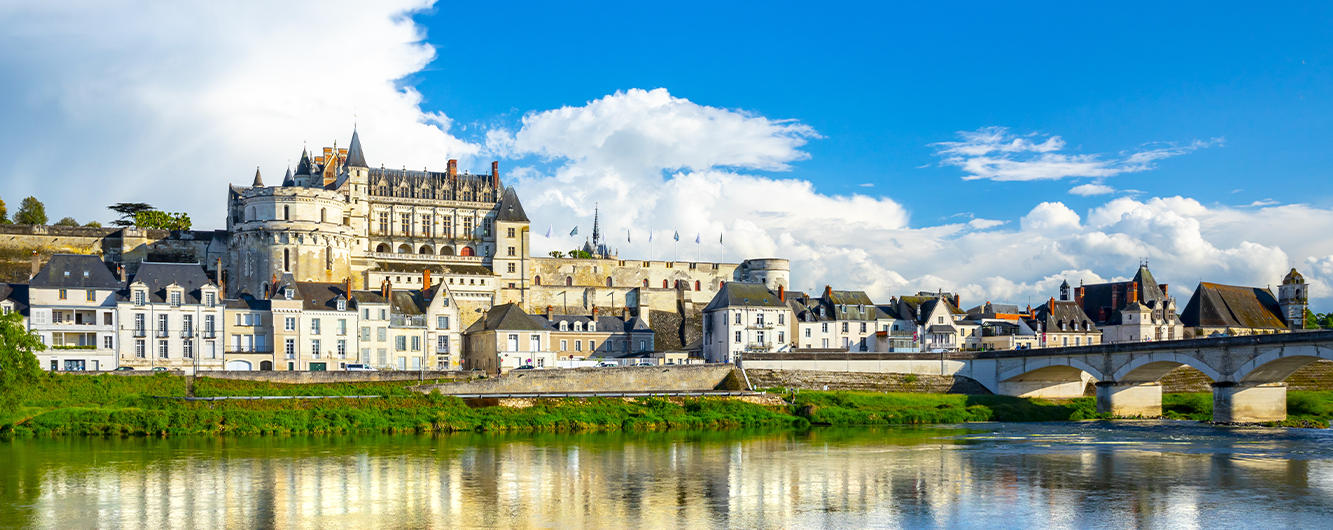
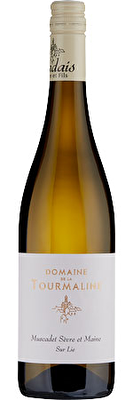
The Loire valley meanders its way inland from the western coast of France. There are three main white wines to consider here. Muscadet (made from the Melon de Bourgogne grape) is grown close to the sea and claims the title of France’s ultimate seafood wine, matching with oysters perfectly thanks to its light, crisp, and zippy flavours.
Further inland, you’ll encounter wines made from Chenin Blanc – either made in a fruity, simple everyday style with flavours of citrus and fresh apple, or in more premium, substantial and age-worthy wines which can develop a rich, golden colour (with flavours to match) as they age.
The third, and probably most famous grape from the Loire, is Sauvignon Blanc. Sauvignon may have originated in Bordeaux, but this is its stylistic home, and where it was originally grown to display those delicious, aromatic flavours which travelled so well to newer regions like Marlborough in New Zealand.
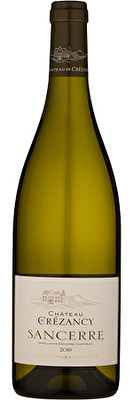
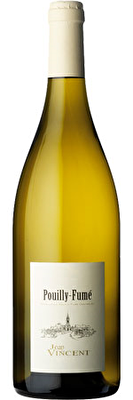
Look for simple, fresh examples of Touraine Sauvignon to match classically with goat’s cheese, or head to some of the region’s most famous sub-regions for more depth and complexity. Sancerre and Pouilly-Fumé are the biggest names here. Sancerre should have a beautiful concentration of citrus and grass flavours, while Pouilly-Fumé is more mineral and can also display smoky, flinty notes.
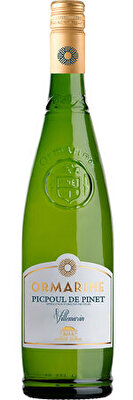
The climate in the South of France may be warm, but it’s still capable of producing some deliciously crisp, refreshing white wines – Picpoul de Pinet is the perfect example. Grown right by the Thau Lagoon to the west of the Mediterranean, the Picpoul grape is known locally as ‘lipstinger’, capturing its tangy, crisp, mouthwatering flavours perfectly. It’s a great match with seafood – particularly mussels which are plucked from lagoon beds nearby.
Provence in the south east may be known best for its rosés, but it also produces some stunning white wines from local grapes such as Grenache Blanc, Marsanne, Clairette, Bourboulenc and Vermentino (also known as Rolle). They tend to be fruity and flavoursome, thanks to the local varieties and the generous sunshine. Look out for the delicious herbal notes that Provence can provide, as well as excellent freshness from the maritime climate.
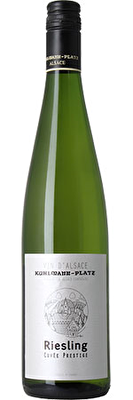
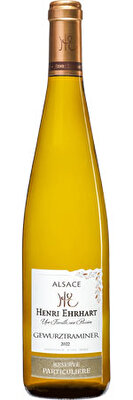
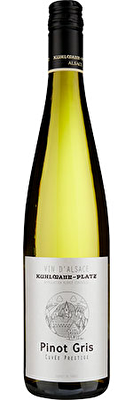
Alsace may not be quite as famous as some of the other regions, but the white wines made here are some of the most interesting in France. They primarily use what are locally called the ‘Noble’ grape varieties of Riesling, Pinot Gris, Muscat and Gewürztraminer, growing them on the steep slopes of the Alsacian hillsides to produce full-flavoured wines which can offer superb value and really come into their own with food.
Bordeaux is the original home of Sauvignon Blanc, where it’s most often blended with Sémillon to create whites with freshness, structure, and ageing potential. In dry styles (like those from Pessac-Léognan), Sauvignon brings zesty citrus and herbal notes, while Sémillon adds body and roundness. Usually oaked, white Bordeaux is increasingly being made in a fresher, more fruit-forward style which includes some un-oaked expressions. The region also produces the world-famous sweet wines of Sauternes and Barsac, where the same grapes, transformed by noble rot, become lusciously honeyed, yet balanced by vibrant acidity. Bordeaux whites are refined and complex – and somehow still flying under the radar.
Rhône
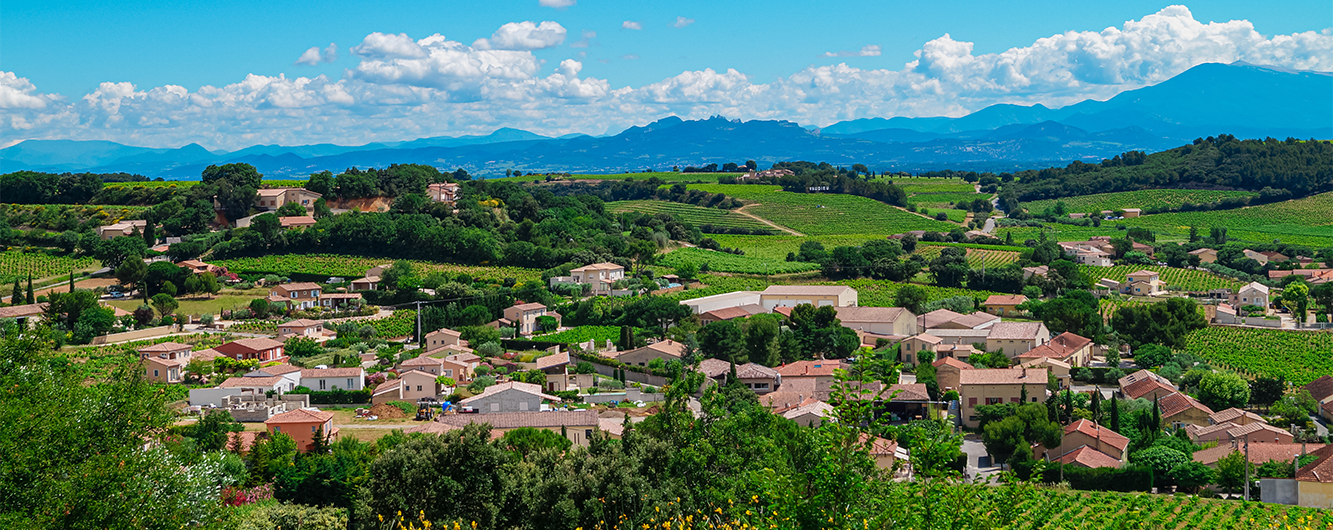
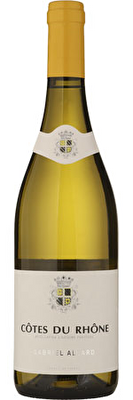
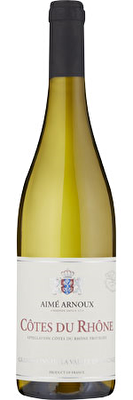
It might be the reds of Châteauneuf-du-Pape and Hermitage which steal the spotlight in the Rhône Valley, but the whites are no less worthy. The sublime wines of Condrieu in the north show what 100% Viognier can taste like at its absolute best – and are priced to match. Further south, Côtes du Rhône Blanc is a great way to taste the typical flavours of white Rhône wines, using local varieties like Roussanne, Marsanne, and Grenache Blanc to make generous, ripe whites to match with richer dishes.
Our top tip? Use your exploration as an excuse to try some of the regional dishes too - nothing tastes better with a bottle than the dish that evolved alongside it.