Why not add?





Cart

For decades, French calendars have reserved a special spot for the third Thursday of November: Beaujolais Nouveau Day. Occurring on 19th November this year, it celebrates the arrival of the season's very first vintage: a light, fruit-forward red bottled just weeks after picking. In true French fashion, there are parties, fireworks, and celebrations to mark the occasion.

Beaujolais Nouveau is produced in the granite rich hills of the Beaujolais region, just south of Burgundy. Meant to be consumed when young and fresh, it’s deliciously soft, low in tannin, and bursting with bright acidity. Expect strawberry, cherry, and often an unmistakable hint of kirsch, bubblegum, or banana on the palate.
This distinctive characteristic comes from a specialised winemaking technique called carbonic maceration or semi-carbonic maceration. In full carbonic maceration, whole bunches of hand-picked grapes are sealed in a carbon dioxide-filled vat. With no oxygen present, the grapes go through intracellular fermentation, which converts some sugars to alcohol inside the berries. The weight of the fruit crushes those at the bottom while intracellular fermentation also causes the grape skins to split, initiating normal alcoholic fermentation. The juice is then drained and fermentation finishes separate from the grape skins, producing a fruity, light-bodied red wine with light tannins.
Semi-carbonic maceration is similar, however the vat is not pre-filled with carbon dioxide. The grapes at the bottom are crushed under the weight of the fruit above and begin to ferment normally. This fermentation produces carbon dioxide which fills the tank and the remaining intact grapes go through intracellular fermentation. This process also creates a light red wine, often with more subtle kirsch or bubblegum notes compared to those resulting from full carbonic maceration.
Serve your Beaujolais Nouveau slightly chilled, as lowering the temperature sharpens the crunchy red fruit notes and highlights its crisp, fresh finish.
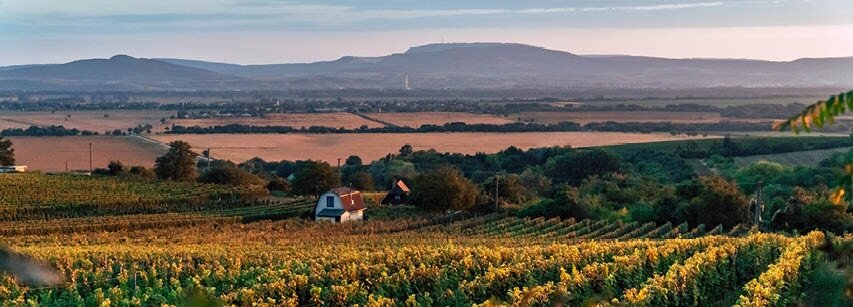
Beaujolais Nouveau Day can be traced back to the early 20th century. Traditionally, winemakers in Beaujolais would ferment Gamay grapes, which is the grape used to make Beaujolais wine, very soon after harvest to make a light, fresh wine. This early bottling was known as ‘vin de primeur’ and was intended to be enjoyed by workers and local villagers.
In the 1950s, France finally created a law that officially allowed the early release of these wines and by the 1970s, Beaujolais Nouveau Day was a firm date in the calendar.
Then came the legendary Beaujolais Nouveau Run. In 1970, London restaurateur Joseph Berkmann and broadcaster Clement Freud dined in Romanèche-Thorins and struck up a wager: who could race back to London fastest with the season's first bottles? The friendly challenge gained national fame in 1972 when The Sunday Times challenged readers to "Bring Back the Beaujolais", turning the private race into an annual motoring event. Over the years, it grew from a spirited dash through France into a celebrated tradition, attracting both car and wine enthusiasts alike. While today's UK rallies focus more on classic cars and charity fundraising, it still honours that original blend of competition, camaraderie, and love of wine.

Thanks to global promotion over the years, Beaujolais Nouveau Day quickly spread far beyond France to major cities like London, New York, and Tokyo. But if you’ve only just heard of it, you are easily forgiven as the interest cooled in the early 2000s when a shift toward quantity over quality left many wine lovers underwhelmed.
Over the last few years, however, Beaujolais Nouveau celebrations in the UK have picked up again, thanks to new marketing campaigns and a drive for higher quality wine. As such, local wine bars and independent cellars are once again hosting their own uncorking parties to celebrate the day in style.