Order in the next HOURS MINUTES  for NEXT DAY delivery  on • FREE NEXT/NOMINATED-DAY ON ORDERS £250+ (SELECT AT CHECKOUT) • FREE STANDARD DELIVERY ON £99+

Exploring Organic Wines: A Deeper Look


Exploring Organic Wines: A Deeper Look


What exactly makes a wine organic? In this blog, we’ll discover everything from sustainable farming to how organic wine is made, and how it differs from natural wine.

The term ‘organic wine’ can be thrown around a lot. Some people only drink wines that are certified organic, while others steer clear, worried they’ll taste a little ‘funky’.

At its core, organic wine is made from grapes grown without synthetic pesticides, herbicides, fungicides, or genetically modified organisms (GMOs). But it’s more than just how the grapes are grown. It’s a commitment to farming sustainably, protecting biodiversity, and minimising interference in the winemaking process. Still, organic wine isn’t necessarily ‘natural’ or ‘sulphite-free’ – terms that often get tangled up in the conversation.

In this post, we’ll unpack what really defines organic wine, how it’s made, how it compares to other wine styles like natural wine, and whether it’s actually better for your health – and for the planet.


What is Organic Wine?

What Makes a Wine Organic?

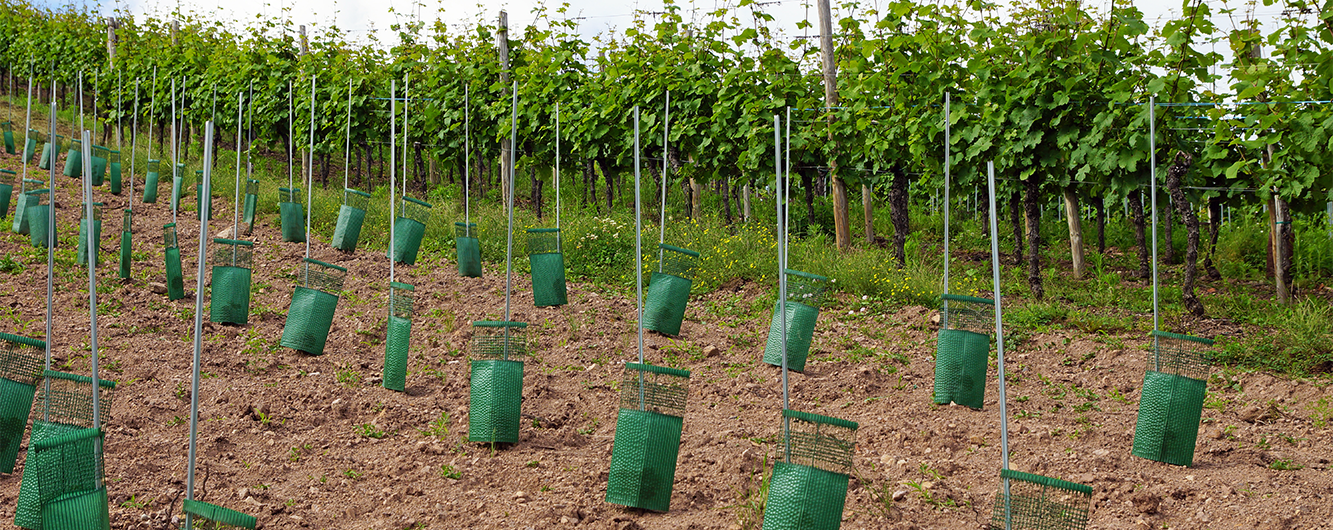
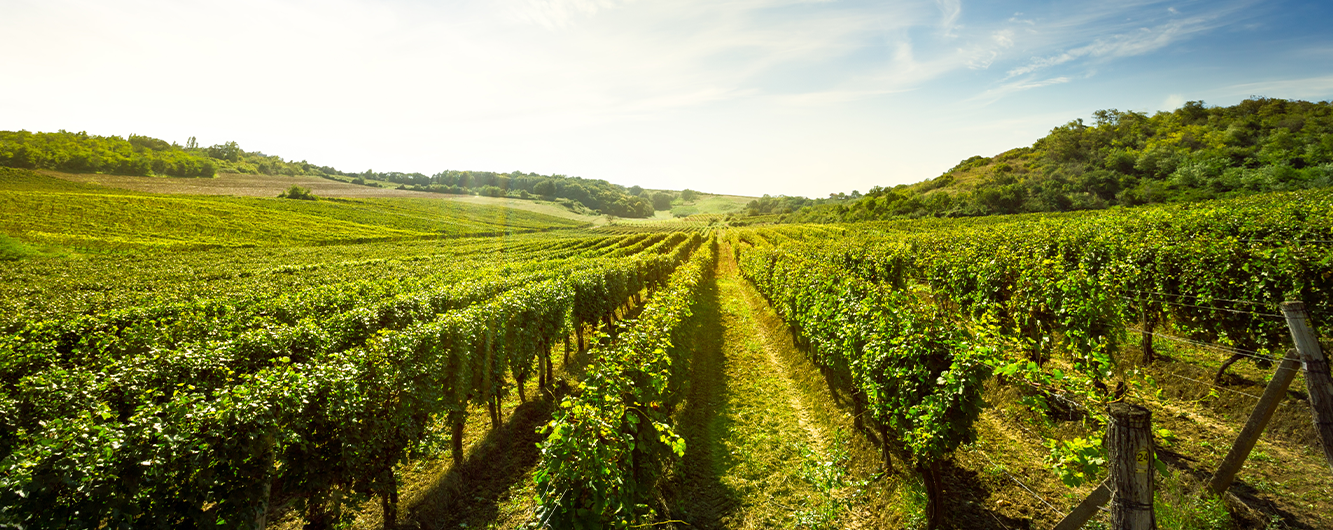
To be labelled as organic, a wine must be made with 100% organically grown grapes – no synthetic chemicals, no GMOs. These grapes are grown using farming methods that prioritise soil health, biodiversity, and long-term sustainability.

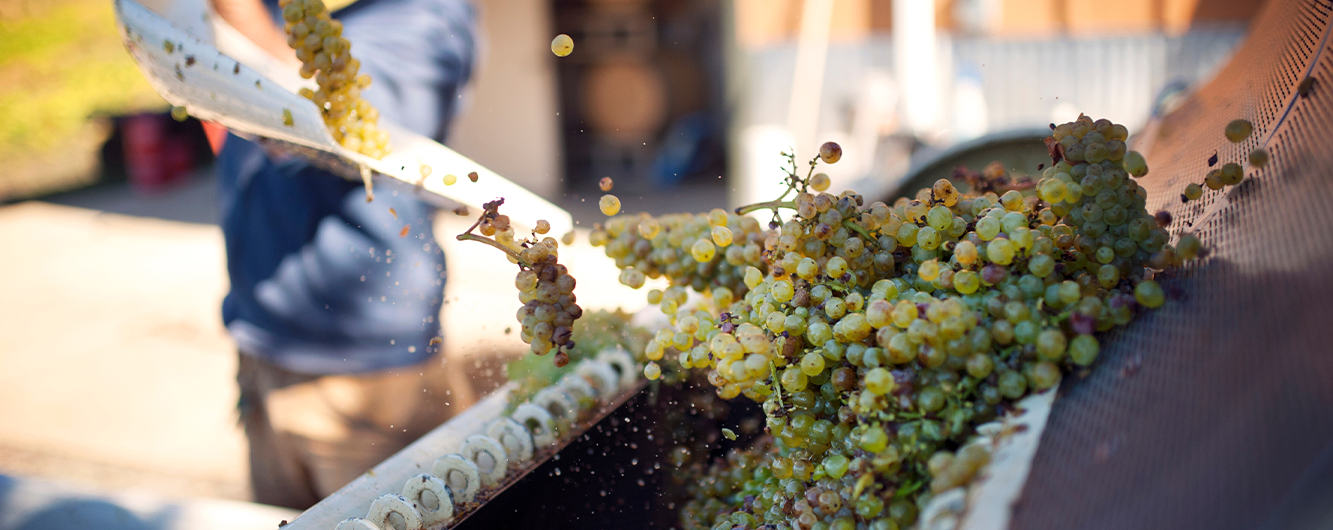
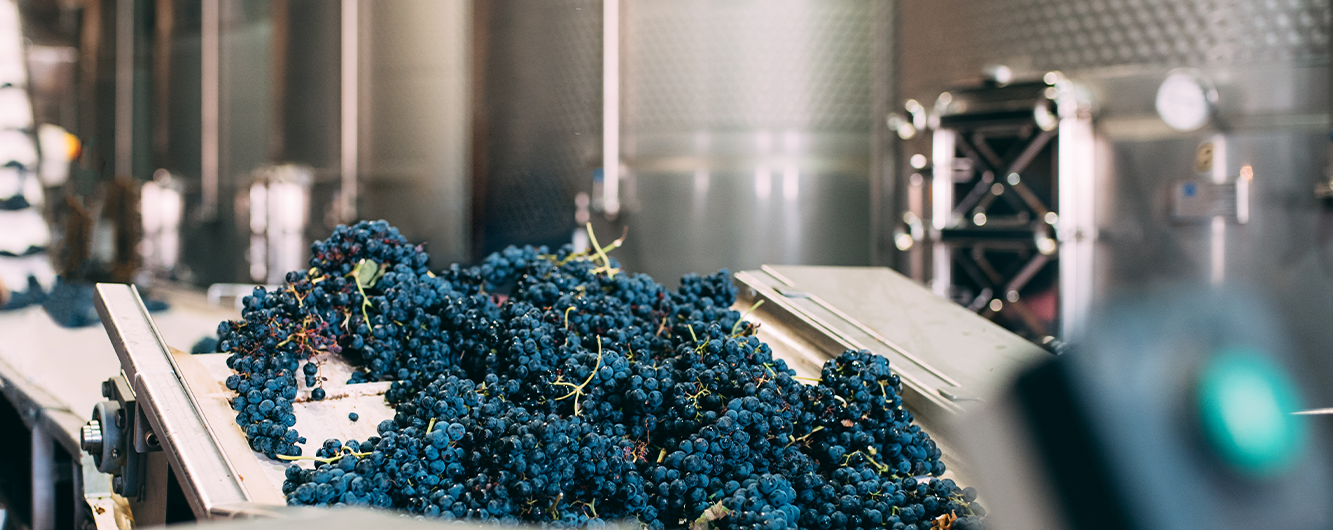
But growing the grapes is only half the story. Organic winemakers also follow strict guidelines in the cellar. While the winemaking process itself may not differ dramatically from conventional methods, organic certification requires producers to avoid some additives and limit interventions.

It's worth noting that organic wines aren't sulphite-free. All wines will contain sulphites naturally, but depending on where it is made, organic wine is either made without the addition of sulphites by the winemaker (the USA) or with lower permitted levels (in the EU).


Majestic

Is Organic Wine the Same as Natural Wine?

While both organic and natural wines share a commitment to minimal intervention, they are quite different. Organic wines follow specific farming practices without synthetic chemicals. On the other hand, natural wines take this a step further, advocating for minimal intervention throughout the entire winemaking process. Natural wine goes further than organic wine, emphasising wild yeast fermentation and very low to no sulphite additions. Natural wines typically remain unfiltered and unfined.

Is Organic Wine the Same as Natural Wine?

While both organic and natural wines share a commitment to minimal intervention, they are quite different. Organic wines follow specific farming practices without synthetic chemicals. On the other hand, natural wines take this a step further, advocating for minimal intervention throughout the entire winemaking process. Natural wine goes further than organic wine, emphasising wild yeast fermentation and very low to no sulphite additions. Natural wines typically remain unfiltered and unfined.


Is Organic Wine the Same as Natural Wine?

Is Organic Wine Better for the Environment?

Organic farming often incorporates numerous choices in the vineyard that help promote a healthy environment. Organic wine producers often use natural animal fertilisers rather than synthetic ones, as well as reducing and recycling water where possible. In addition, organic farming often includes creating areas of biodiversity in the vineyard and using cover crops between rows to improve soil health and attract insects that eat pests, rather than using pesticides. However, copper-containing products used in the organic farming can cause unwanted build-up in the soil, which can harm earthworms and other organisms. As a result, authorities are limiting the quantity of copper that can be used by organic growers.

Is Organic Wine Better for Me?

People often say organic wines don’t result in a hangover. Unfortunately, that isn’t true. While they are made using grapes grown without synthetic additional chemicals, it’s the alcohol that is responsible for a hangover. That said, organic wines side-step synthetic chemicals commonly found in conventional wines, reducing your exposure to potentially harmful substances.


Does Organic Wine Taste Different?

Raising a Glass to Organic Wine

Whether organic wine is your go-to or you’re just starting your journey, it’s a category that keeps evolving, with more exciting bottles on the shelves than ever before. Explore our growing range of organic wines and discover a new favourite that’s both delicious and kind to nature.


BROWSE OUR RANGE