Why not add?


Cart

Cap Classique is a labelling term used for sparkling wines in South Africa, which are made using the Traditional Method. It has now grown to become one of South Africa’s leading wine sectors, in both terms of quality and demand, and has gained global recognition for this.
You may recognise the Traditional Method, as it is the method of sparkling winemaking used to produce Champagne, where Cap Classique takes its inspiration. It is a laborious process which involves the primary fermentation, the process where yeast turns grape sugars into alcohol, followed by the secondary fermentation and ageing, which occurs in individual bottles, as opposed to in tanks, which is used for wines like Prosecco.
Therefore, it is normally the longest method used when making sparkling wine. The resulting wines are complex with a fine mousse and a depth that reflects the care of craftsmanship involved.
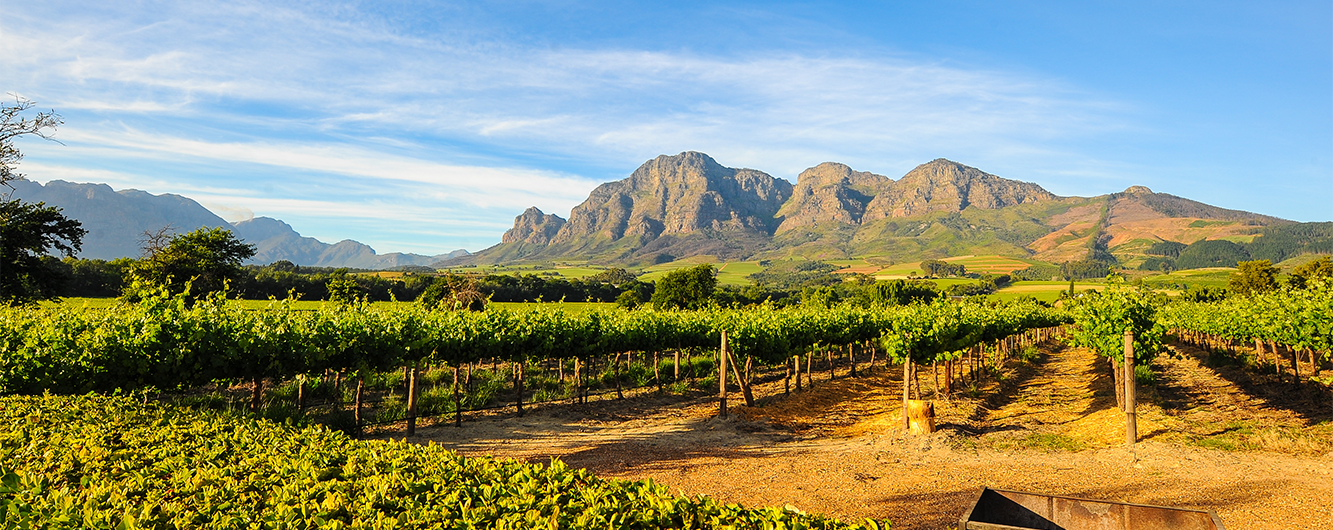
The story of Cap Classique begins with the inspiration drawn from Champagne and its use of the Traditional Method. In 1968, Frans Malan, visionary owner of the famous Simonsig Estate in Stellenbosch, visited Champagne and was captivated by both the elegance of the wines and the meticulous method used to craft them.
Determined to bring this style of excellence to South Africa, he returned with an ambition to produce South African sparkling wine using the same method of winemaking. His vision took root with the first harvest in 1971, and by 1973, the first bottle of South African, Traditional Method sparkling wine was released.
For the first vintage in 1973, this first bottle was released under the name Kaapse Vonkel, which translates to “Cape Sparkle”. This inspired the final naming of the term “Cap Classique”, which was officially adopted in 1992.
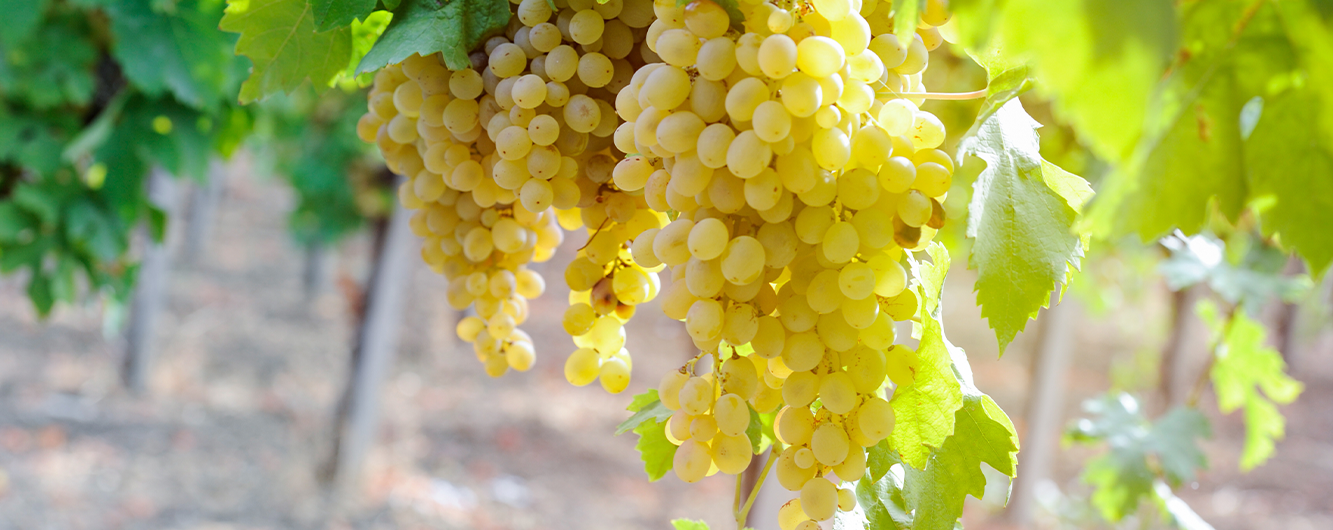
It was first released using Chenin Blanc, a reflection of South Africa’s signature varietal at the time. Since then, it has evolved, drawing even more inspiration from Champagne. Today, the majority of Cap Classique is made using the classic Champagne varieties, Chardonnay, Pinot Noir, and Pinot Meunier.
Cap Classique wines encompass a range of different styles other than this classic blend, such as Blanc de Blancs, which is made from Chardonnay, and sparkling rosès, which are normally made from Pinot Noir. All delicious!
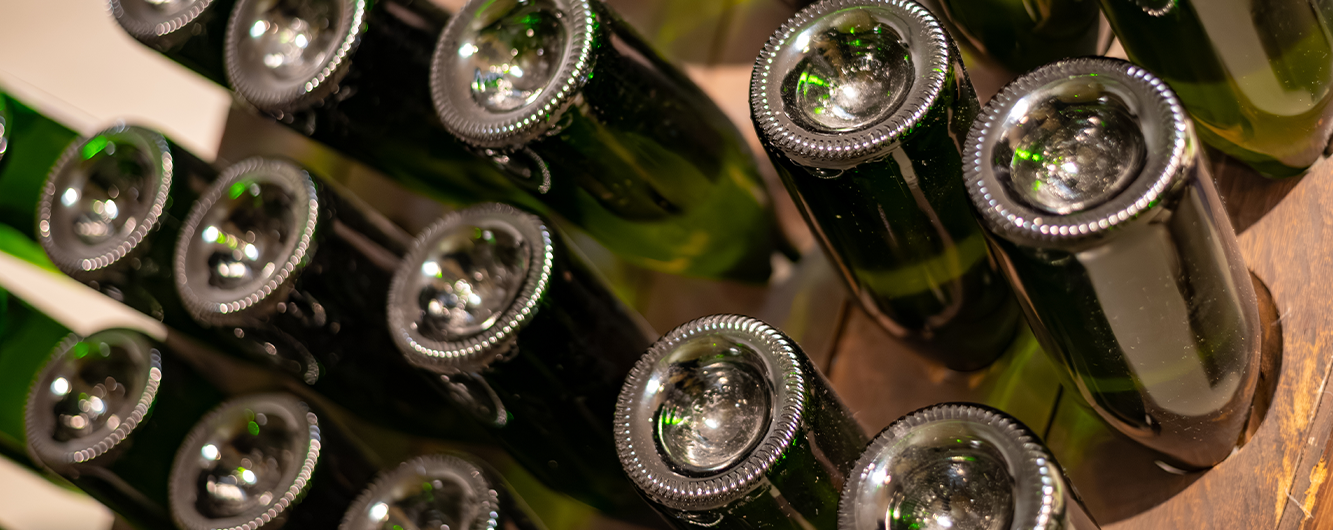
A key part of the Traditional Method is the secondary fermentation, where the wine sits on its lees and creates that sparkle you love!
The amount of time this is for depends on the wine, style, and winemaker preferences. To be able to call your wine a ‘Cap Classique’, the wine legally needs to be aged for a minimum of 9 months on the lees. However, some winemakers are opting to age their wines for longer. For example, the Cap Classique Producers Association, a group of like-minded producers dedicated to making high-quality, premium Cap Classique, stipulate a minimum of 12 months of ageing on the lees for their members.
What began as a niche has blossomed into one of South Africa’s most exciting and respected wine categories, both in terms of quality and continuously growing demand.
A glass of Cap Classique is the perfect glass of sparkling to raise at a celebration, or simply just because!
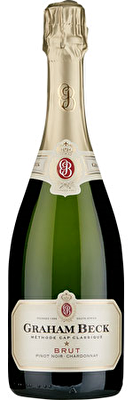
Graham Beck Brut, South Africa
Our symbols help you choose your perfect wines for any occasion.
White and Rose Wines
Red Wines
Info


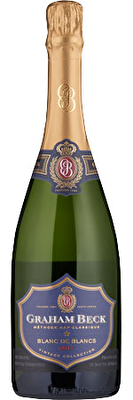
Graham Beck Blanc de Blancs 2019/20, South Africa
Our symbols help you choose your perfect wines for any occasion.
White and Rose Wines
Red Wines
Info
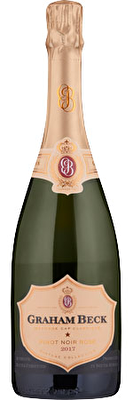
Graham Beck Pinot Noir Rosé, Robertson 2018/19
Our symbols help you choose your perfect wines for any occasion.
White and Rose Wines
Red Wines
Info