Order in the next HOURS MINUTES  for NEXT DAY delivery  on • FREE NEXT/NOMINATED-DAY ON ORDERS £250+ (SELECT AT CHECKOUT) • FREE STANDARD DELIVERY ON £99+

A Guide to Eastern Mediterranean Wines

Majestic

Category: Wine Tourism

A Guide to Eastern Mediterranean Wines


Winemaking regions like France, Italy, and Spain may dominate global wine conversations but it’s about time Eastern Mediterranean wines had their moment in the spotlight.


Regions like Greece, Turkey, Lebanon, Israel, and Cyprus, are some of the oldest winemaking countries in the world, with ancient recipes and native grapes, which have been passed down over thousands of years.

Recently, we’ve seen a new wave of producers from the Eastern Mediterranean, bringing exciting, diverse wines that are well worth exploring.


Majestic


What Are Eastern Mediterranean Wines?

Eastern Mediterranean wines come from countries along the eastern edge of the Mediterranean Sea. Wines have been made here for over 6,000 years. Despite this ancient heritage, many of these countries have only recently begun gaining international recognition and importation in the UK.


Why Explore Eastern Mediterranean Wines Are Worth Exploring

Ancient and indigenous grapes:
Many Eastern Mediterranean countries grow grape varieties that don’t exist anywhere else in the world.

Diverse climates and soils:
From coastal vineyards to mountainous terraces and volcanic islands, the region provides a range of terroirs, which impact the flavour of the wine in the most interesting of ways.

Exceptional value:
As many of the Eastern Mediterranean countries don’t have the same recognition as those like France and Italy, prices are cheaper - but the wine is still high quality


Majestic

Eastern Mediterranean Grapes to Look Out For


Greece

Greece is home to some of the world’s oldest winemaking traditions, and the wines are becoming increasingly popular in the UK.

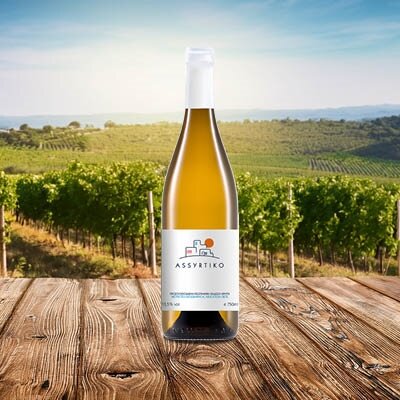
Assyrtiko - a white grape from Santorino. It’s citrusy, floral, and mineral, with hints of stone fruits.
Xinomavro - a red grape often compared to Italy’s Nebbiolo. It offers bright red fruits, acidity, and grippy tannins.
Agiorgitiko - from Nemea, a town in Corinthia, this red grape produces juicy reds perfect for every-day drinking.


Lebanon

Lebanon’s Bekaa Valley is a high-altitude plateau that has been making wine since Phoenician times. Château Musar is one of the most famous wineries, known for blending Bordeaux varieties with indigenous grapes.

Obeideh - an indigenous white grape, sometimes compared to Chardonnay.
Merwah - a local white grape known for its crisp acidity and floral, nutty flavours.
More widely planted grapes such as Chardonnay, Syrah, Merlot and Cabernet Sauvignon are also grown in Lebanon.


Majestic

Turkey

Turkey boasts over 1,000 indigenous grape varieties, although only a fraction are commercially cultivated.

Kalecik Karası - a native red grape producing light, aromatic wines.
Boğazkere - a bold, tannic red, often blended for structure.
Narince - an elegant white grape with notes of citrus and herbs.


Israel

Israel’s wine scene has grown rapidly in quality and diversity, with a strong focus on boutique production, sustainability, and reviving ancient varieties.

Marawi - an ancient, indigenous white grape known for its floral aromas and crisp acidity.
Bittuni: An ancient, indigenous red grape with high tannins and acidity.
Argaman: A local crossing of Souzão and Carignan, known for its deep colour and rich flavours.
Grapes like Carignan, Viognier, and Grenache are also widely grown


Cyprus

Cyprus has one of the world’s longest winemaking histories, dating back over 5,000 years. Its native grapes and high-altitude vineyards produce fresh, balanced wines with real character.

Xynisteri - a light, zesty white grape native to Cyprus.
Maratheftiko - a red grape producing deeply colored, aromatic wines.
Commandaria - a historic sweet wine made from sun-dried grapes, considered one of the oldest named wines still in production


Eastern Mediterranean Wines to Try


Lyrarakis Assyrtiko, Crete

Take a sip, and you'll see exactly why Assyrtiko's known as Crete's answer to Chablis. Bone dry. Fresh. Aromatic. This is a perfect first step into the world of Greek wine. Discover wild aromas of meadow flower and yellow orchard fruit, backed by a heavy dose of minerality.

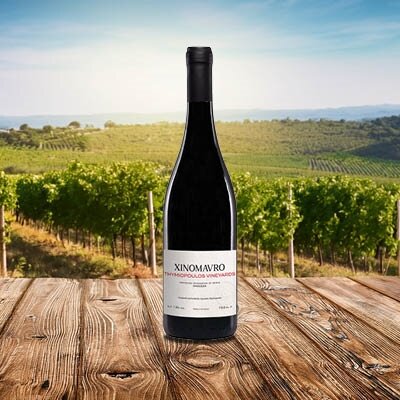
Thymiopoulos Xinomavro, Greece

If you're looking to get into Greek wine, Xinomavro is a great place to start. This example is made by a man who’s widely recognised as an expert in the art of crafting great Xinomavro. It’s medium-bodied and complex, with notes of red and black fruit, a vibrant acidity and a long finish.


Majestic

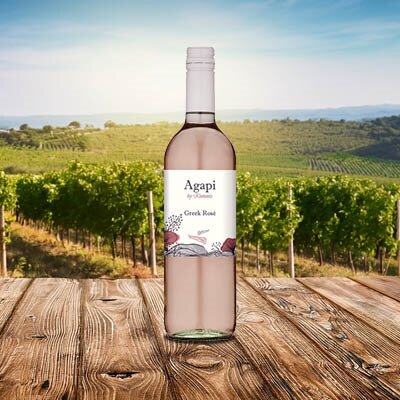
Agapi by Kintonis Rosé, Peloponnese

Blending indigenous grape varieties Rhoditis, Malagousia and Agiorgitiko – harvested from high altitudes and kissed by sea breeze – the wine is floral, fruity and complex. Flavours of peach, strawberry and blueberry make it refreshing to drink on its own, but there’s enough structure here to stand up to food, too.

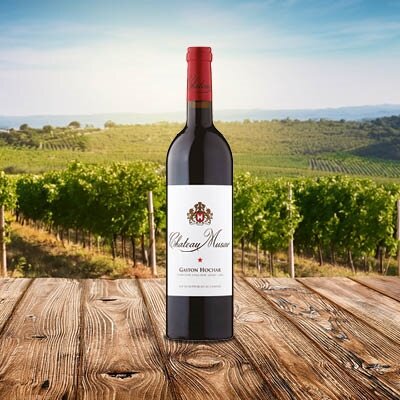
Chateau Musar Red, Bekaa Valley

In 1930, at just 20 years old, Gaston Hochar founded Chateau Musar, inspired by Lebanon’s extensive winemaking history and his travels in Bordeaux. Today, Musar wines are crafted with minimal intervention, using wild yeast fermentation and certified organic practices, so that each vintage reflects Lebanon’s unique climate and terroir. Rich and concentrated, enjoy its black-fruit aromas and smoky, spicy notes, followed by fine tannins.

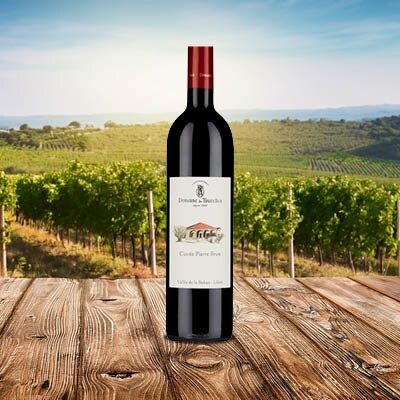
Domaine des Tourelles Cuvée Pierre Brun, Lebanon

When it comes to Lebanese wines it's not only Château Musar that's worth collecting. Founded in 1868, Tourelles is Lebanon's oldest winery. A blend of Cabernet, Syrah, Cinsault and Carignan, this has fine aromatic morello cherry and spice aromas, a dark fruit core with layered earthy spice, and balanced tannins.


BROWSE OUR RANGE