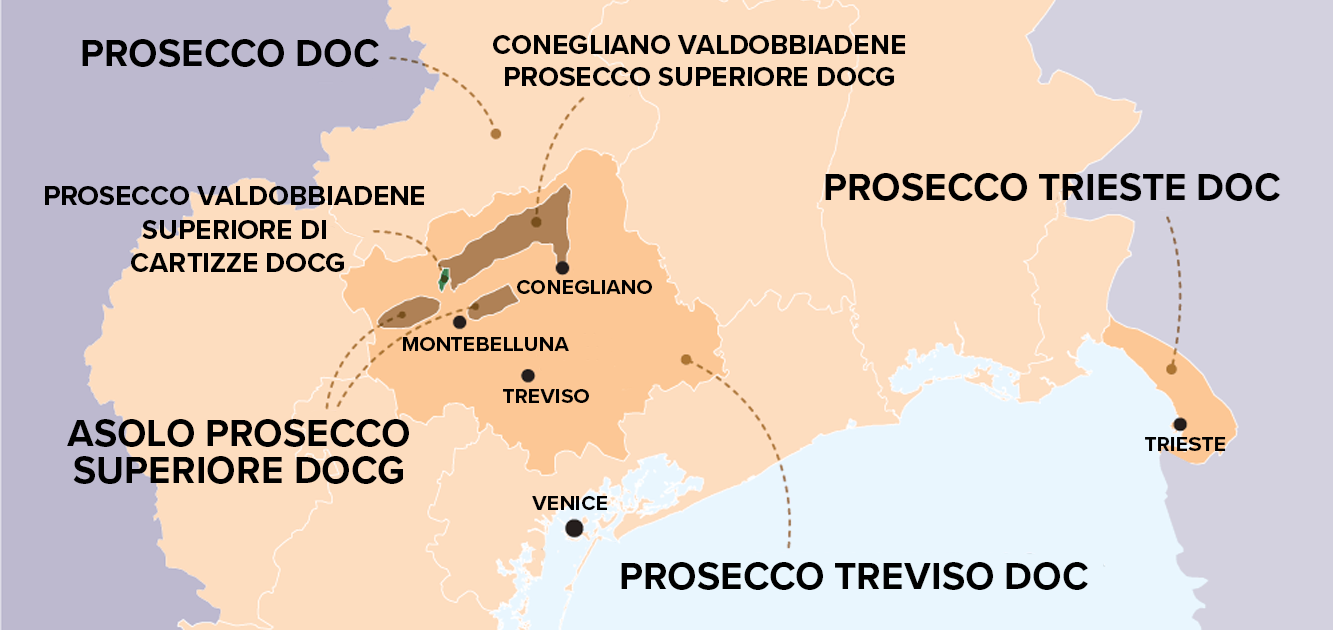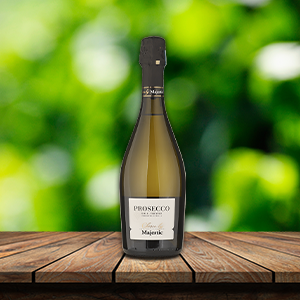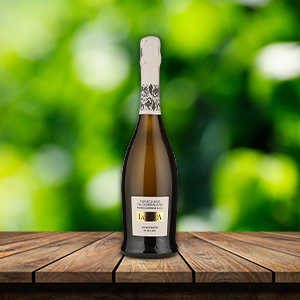
The Two main categories of classification for Prosecco is DOC (Denominazione di Origine Controllata) and DOCG (Denominazione di Origine Controllata e Garantita). The key differences between these two lie in their geographic origin, production standards, and overall quality. DOC Prosecco comes from a broad area that spans the Veneto and Friuli Venezia Giulia regions. This designation was introduced in 2009 to standardise the quality of the rapidly growing Prosecco market. DOCG Prosecco, on the other hand, is produced in two specific and prestigious hillside zones: Conegliano Valdobbiadene and Asolo. These areas benefit from ideal growing conditions, such as steep slopes, good drainage, and favourable microclimates, all of which contribute to superior grape quality.
The DOCG classification comes with stricter regulations. Producers must adhere to lower maximum yields, hand-harvesting is often required, and the wines must pass both a government tasting and chemical analysis before release. In contrast, DOC Prosecco regulations are more lenient, allowing higher yields and mechanical harvesting, which contributes to its accessibility and affordability. As a result, DOC Prosecco is typically more straightforward and intended for everyday enjoyment, often used in casual settings or as a mixer in cocktails. DOCG Prosecco, however, tends to offer greater complexity, structure, and expression of terroir, making it a premium choice often enjoyed on its own. While DOC Prosecco provides good value, DOCG Prosecco represents the highest quality in the Prosecco category, appealing to those seeking a more refined sparkling wine experience.