Why not add?


Cart
The days are growing longer, the blossom trees are in bloom, and the birds are singing a joyful melody; spring is almost here!
With the arrival of spring, life feels a little lighter, warmer, and brighter after the long winter months. No longer are we reaching for big heavy reds to snuggle with in front of the fire but rather fragrant, aromatic white wines bursting with florals that capture the smell of flowers in bloom.
Aromatic wines tend to have quite an expressive nose, with aromas of flowers, florals, orange blossom, nectarine, honeysuckle, and jasmine. The wonderful aromatic flavour is also the perfect match to a variety of spring foods, like asparagus, rhubarb, apricots, fresh herbs, and spring greens. Those that are slightly off-dry are also delicious with Thai food.
Now here’s a little bit of fun science for you as to why aromatic wines have flavours and smells reminiscent of flowers: Aromatic white wines have higher levels of an aroma compound class called terpenes, which is also found in flowers! Aromatic white wines have particularly high levels of a certain subgroup of terpenes called monoterpenes. This is responsible for all those delicious aromas of rose, geranium, orange flower, and more - like Gewürztraminer and Muscat Blanc.
Viognier is a very popular grape variety from the Northern Rhône, known for its aromas of white flowers, stone fruits, and honeysuckle. It can also offer notes of nutmeg and vanilla if it has been aged in oak. Viognier tends to range from medium to full-bodied, with an oily and lusciously smooth texture.
Gewürztraminer is a very expressive grape, with aromas of lychee, rose, grapefruit, tangerine and sometimes ginger, too. It, too, can be quite full-bodied and oily due to the higher alcohol content. Depending on the style, it may be dry, off-dry, or sweet. The slightly sweeter styles are wonderful with blue cheese and desserts with flavours of mango, lychee and honey. It hails from Germany but can be found in many cooler-climate countries.
Albariño is a refreshing, zesty wine from Spain, which can be made in both oaked and unoaked styles. Aromas include stone fruits, grapefruit, honeydew, and lime and can often have a salinity, which comes from the proximity of the vines to the sea. It’s less floral than the others but still falls into the aromatic category.
Riesling is native to Germany but is now found in places like France, New Zealand and Australia, too. It is bursting with stone fruits like nectarine and apricot, as well as honeysuckle, lim, lemon, and sometimes pineapple in warmer climates. You may also find a touch of oak if the wine has been aged in oak barrels. Riesling is known for its ability to age due to high alcohol and acidity levels. As it ages, aromas of petrol/petroleum and dried stone fruits start to develop - it may sound a little funny, but trust us, it’s delicious.
Müller-Thurgau is found in Germany and is a crossing between Riesling and Madeleine Royale. It is a youthful and fresh wine with aromas of fresh flowers, herbs, citrus and apple and pear. It is often made in an off-dry or slightly sweet style.
Muscat Blanc or Moscato is easy to tell due to its rich orange blossom and mandarin aromas. Alongside this, you’ll find honeysuckle and pear, and often stone fruits. It can be made in a variety of styles, from dry to sweet. It is believed to have originated in Greece but can now be found in Italy and France.
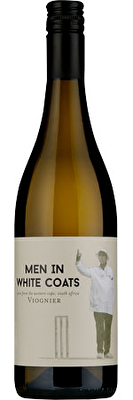
The Gabb family were instrumental in putting South Africa on the wine map. Rollo Gabb believes in low-intervention winemaking, treating his workers well and supporting the community. Everything else is focused on making fantastic wine. And you'll find the benefits in this Viognier. This is an elegant, fragrant Viognier with notes of apricot and white peach. Try this with Thai green curry.
Men in White Coats Viognier 2024/25, Western Cape
Our symbols help you choose your perfect wines for any occasion.
White and Rose Wines
Red Wines
Info


The Wachau region of Austria comprises 33 33-kilometre gorges overlooking the Danube River. Produced from vines grown around the Weissenkirchen parish, including the hamlets of Joching and Wösendorf. Grüner Veltliner is an aromatic variety primarily from Austria. The colour of fresh straw, an alluring nose of gooseberries with a hint of green apple and flowers. Well-balanced acidity and citrus fruits lead to a spicy, lively wine of minerality and elegance. Drinkable at any time over the next six years. An excellent accompaniment for prosciutto, seared scallops or bisques.
Cave Vinicole de Hunawihr Kuhlmann-Platz 'Cuvée Prestige' Gewürztraminer 2021/24, Alsace
Our symbols help you choose your perfect wines for any occasion.
White and Rose Wines
Red Wines
Info

Cave de Hunawihr began in Alsace, on the German border of France, in 1954. They aimed to restore the region’s winemaking industry after it was badly damaged by the German occupation in World War Two. Today, this cooperative consists of 110 members, and it's safe to say they've smashed their initial target. This is a rich and full Gewürztraminer, with notes of lychee, mango and white pepper. Try it with lightly spiced Thai food.