When was Cloudy Bay founded?
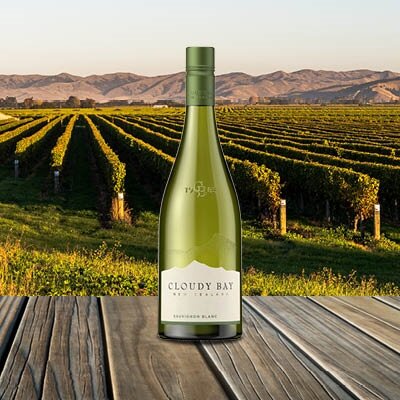
David Hohnen, a seasoned winemaker originally behind Cape Mentelle in Australia, first encountered a Marlborough Sauvignon Blanc in 1983 and was captivated by its intensity. Together with winemaker Kevin Judd, Hohnen launched Cloudy Bay in 1985, bottling their first Sauvignon Blanc vintage that same year.
They deliberately kept yields low – around 30% below regional average – to prioritise concentration and expression of site.
How did it get its name?
The name “Cloudy Bay” links back to the coastal inlet named by Captain Cook in 1770, later officially recognised as Te Koko‑o‑Kupe / Cloudy Bay in 2014.
How did Cloudy Bay become popular?
The early Cloudy Bay Sauvignon Blanc quickly drew international attention. Critics such as Oz Clarke praised the clarity, aromatic drive, and vibrancy, elevating Marlborough Sauvignon Blanc’s reputation overseas.
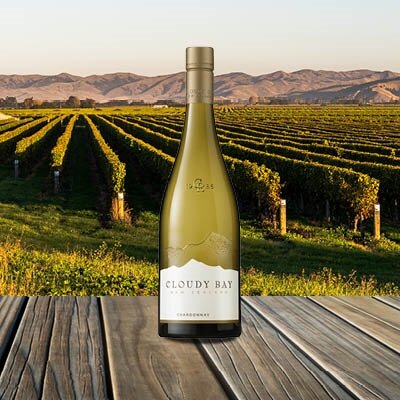
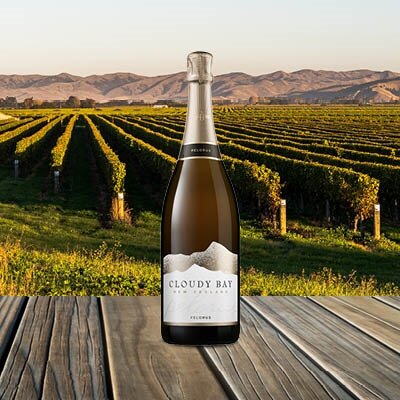
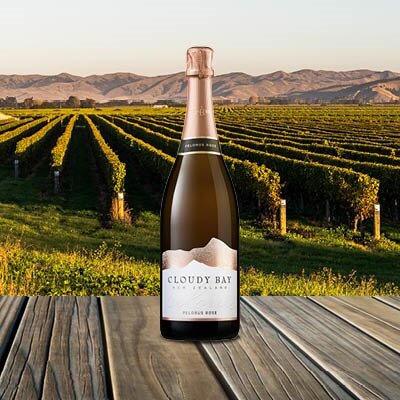
In 1986, under Kevin Judd’s influence, Cloudy Bay introduced Chardonnay as a second variety. By 1987 the winery launched its first Pelorus sparkling wine (made using the traditional method), named after the pelorus dolphins of the Marlborough Sounds.
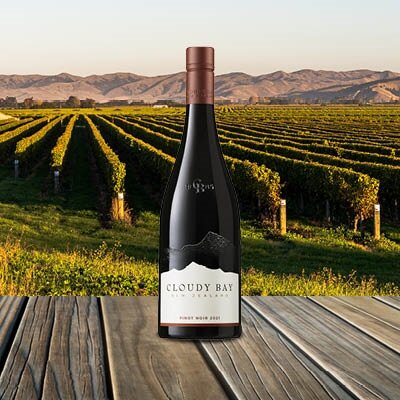
Meanwhile, experimentation with Pinot Noir began in 1989. It was in 1994 that the team felt they had achieved a Pinot worthy of the Cloudy Bay name that was balanced, savoury and structured.
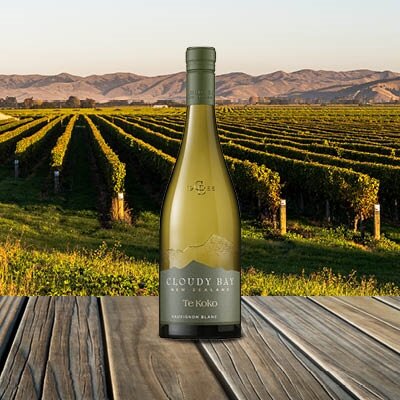
In 2001, winemaker James Healy and Kevin Judd developed Te Koko, a barrel‑fermented, wild‑yeast Sauvignon Blanc that contrasted with the original unoaked style and pushed the boundaries of the variety.
When did Cloudy Bay get acquired by LVMH and what changes were made?
In 2003, David Hohnen sold his remaining shares, and Cloudy Bay became fully part of the Veuve Clicquot group, now under the LVMH wines and spirits division. This shift gave Cloudy Bay access to expanded distribution and luxury positioning. Over subsequent years the estate deepened its focus on single‑site viticulture, barrel regimes, and refinement of its core and experimental wines.
A major development occurred in 2014, when Cloudy Bay acquired its first vineyards in Central Otago – Northburn and Calvert – laying the foundation for their Te Wāhi Pinot Noir project.
In 2022, Cloudy Bay renovated its original cellar building, transforming it into the “Founders’ Cellar”, a sustainably engineered small‑batch winemaking and visitor facility. It achieved a rare 5 Green Star built rating in New Zealand, showcasing the estate’s commitment to environmental stewardship.
In 2025, Cloudy Bay celebrated its 40th anniversary. The winery released its 40th vintage Sauvignon Blanc, reflecting a challenging season marked by dryness and frost, and hosted a multi‑day event for international trade guests at its Marlborough home.
Where is Cloudy Bay based?
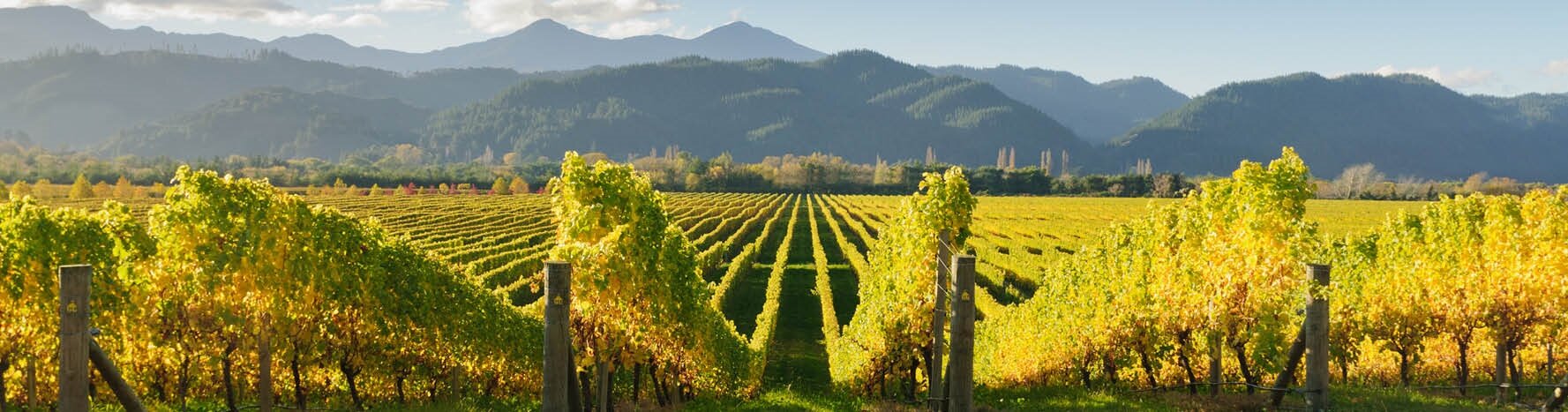
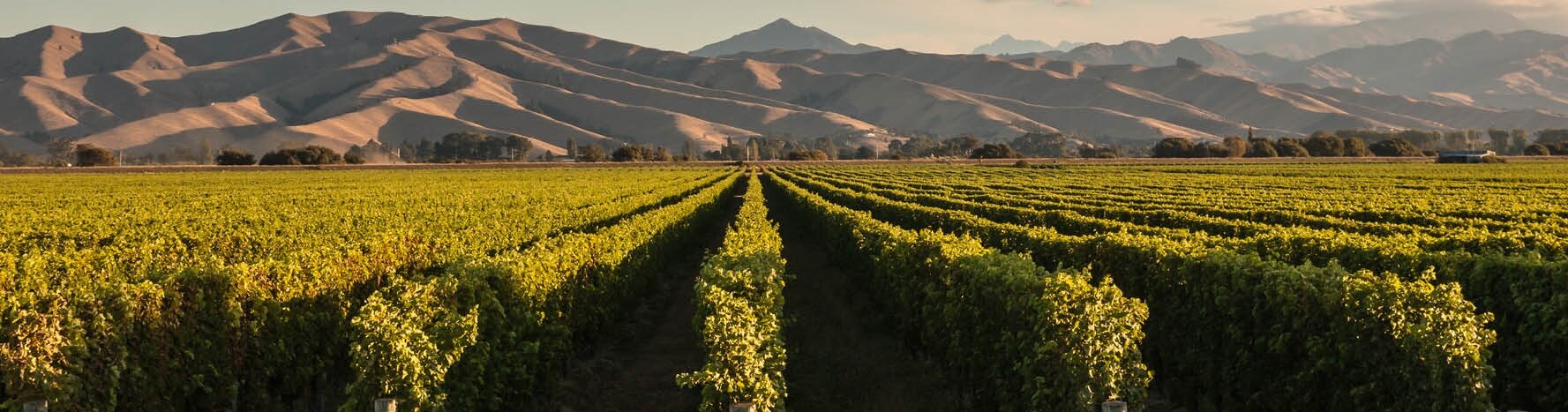
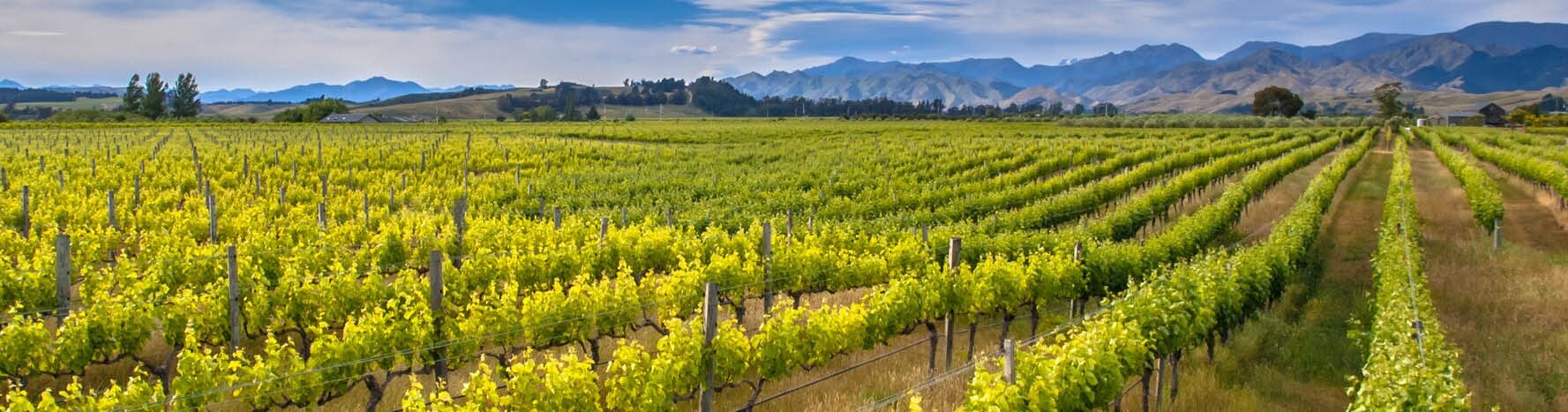
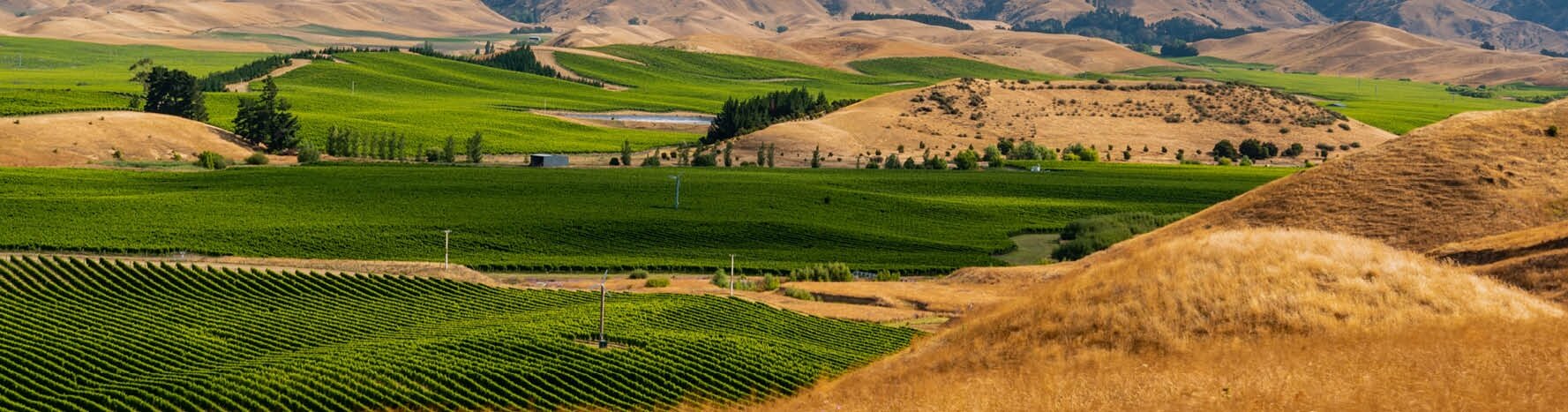
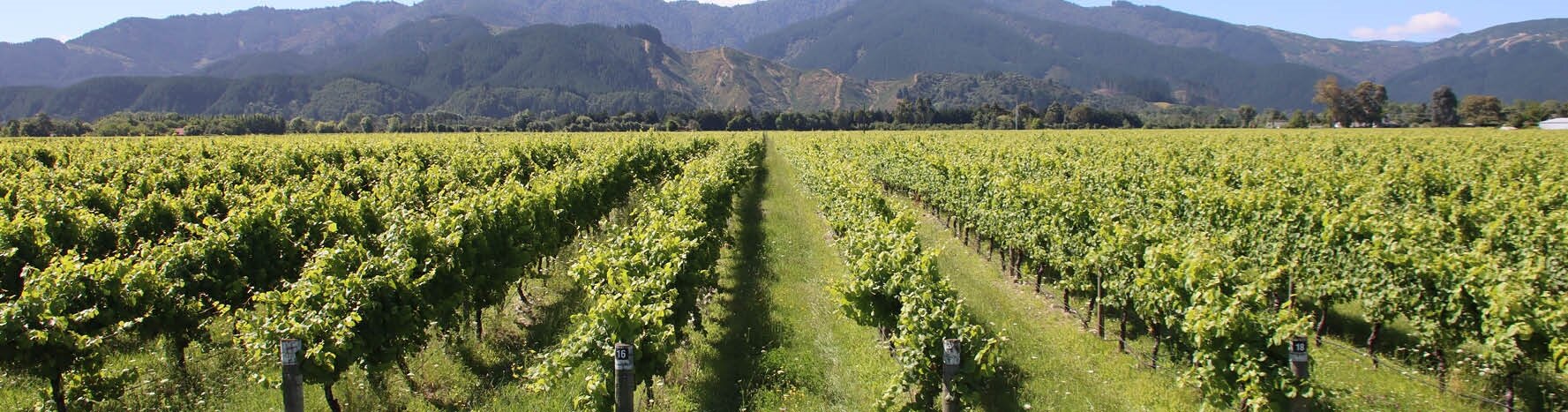
In Marlborough, Cloudy Bay farms around 163 vineyard parcels and 65 grower blocks, spanning free‑draining alluvial soils near the Wairau River and heavier clay in the Southern Valleys.
In Central Otago, contrasting terroirs in Calvert (loamy slopes) and Northburn (rocky, glacial soils) provide structure and complexity for Te Wāhi Pinot blends.
Sustainability is central: Cloudy Bay was an early member of Sustainable Winegrowing New Zealand, trials organic practices in Marlborough, and manages its Central Otago vineyards organically.
What is Cloudy Bay Day?
Launched in 2023 to mark the winery’s 38th vintage, Cloudy Bay Day is an annual celebration of the new release of Cloudy Bay Sauvignon Blanc. Timed with the global release of the latest vintage, the event invites wine lovers, trade, and media from around the world to raise a glass to the wine that put Marlborough on the map. It’s not just about the wine, it’s about embracing the spirit of adventure, the beauty of New Zealand’s landscapes, and the legacy of one of the country’s most iconic producers. Cloudy Bay Day now serves as a cornerstone in the winery’s calendar, showcasing its ongoing innovation and connection with a global community of fans.