

-
WINE
-
-
BROWSE WINES
-
-
-
POPULAR COUNTRIESPOPULAR BRANDS
-
-
-
POPULAR GRAPESPOPULAR REGIONS
-
-
-
WINE BY PRICE
-
-
-
-
LATEST OFFERS
-
-
COLLECTIONS
-
-
-
TOP OFFERS
-
-
-
-
CHAMPAGNE & SPARKLING
-
BEER, CIDER & SPIRITS
-
-
BEER
SOFT DRINKS AND SNACKS
-
BEER
-
-
-
-
WINE CASES & GIFTING
-
-
POPULAR GIFTS
-
-
-
- SUBSCRIPTIONS
-
DISCOVER MORE
-
-
ON-TRADE
-
-
Majestic Commercial
-
-
-
Our Customers
-
-
-
Order Online
-
-
-
-
- STORES

Why not add?
Cart













Your feedback and comments are really important to us and help your fellow wine lovers too. We'll always pop your name next to your post to show that it's genuine.
Will definitely use this store again!
OR come and visit us in-store where we still have good availability across most areas (there are things that we have run out of, but that's always going to be the case this close to Christmas). Our tasting counter has a lovely selection open to taste and we are on hand to offer advice and help you choose the perfect bottles for the festivities ahead.
Many thanks
Shop Local and Collect: order online and collect in 4 hours, up to 1pm on Friday 24th
Local Deliveries: [insert delivery details here]
Contact Us: Talk to us about a local order - please email pet@majestic.co.uk or phone on 01733319608 and we’ll get back to you as soon as possible.
Our tasting events schedule for 2021 has now concluded, but we still have free tasting in store every day at our tasting counter.
Visit us in store where our expert teams are waiting to help you to discover new wines, beers, and spirits you will love.
Look out for news of our tasting events for 2022 coming soon! We’re planning monthly themed informal drop-in tastings, seasonal Showcase tasting evenings and loads more besides.
Want to hear about promotions on your favourite wines, beers and spirits?
We will keep you up to date on all things new and exciting at Peterborough store.
Just click 'sign me up' at the bottom of this page. We'll only be in touch with what's interesting to you – and you'll know all about what's going on in our store.
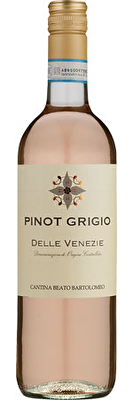
Pinot grigio Rose Materanna from Italy
Edna Valley Chardonnay from USA
Definition Macon-Village from France
Couple of Chardonnay's to try, both quite different and currently on promotion
Relais Du Roi Cairanne from Rhone Valley in France
Emiliana organic Cabernet Sauvignon from Chile
Also many gins such as Roku from Japan, Oxley from London and Chase Grapefruit with Pomelo, plus World of Zing cocktails.
Lion and the Lily Rose-from French Bordeaux Region made with Merlot grape
Pringle Bay-from South Africa, think of Marlborough Valley from NZ and this is the South African version with the same tropical notes and crispness
BDX Revolution-France another Sauvignon Blanc made with a commune of wine makers in Bordeaux and David Hohnen the wine maker behind Cloudy Bay
Catena Malbac-Argentina's best wine maker award winners
Valpolocella Classico-Italian classic wine
World of Zing cocktails-4 flavours just add ice and drink. Amazing flavours to enjoy
Pop in and say hi
Sorry for any inconvenience caused
Managment
Special offers on all Bread & Butter wines
Savings of up to 33% on our best-sellers in the Summer Sale.
Information